CORONAVIRUS UPDATE: 74 days after the quarantine began in Colombia, Juli and I are STILL locked down in the country-house near Medellin… Despite the length of time, we are both well and staying positive, although of course sometimes we feel the boredom. In June Colombia is entering a different phase of the lockdown, so called ‘intelligent quarantine’, so we are hoping to have a little more flexibility to at least have one or two visitors, if going down to Medellin itself is not possible. We hope that July and August may see greater freedoms coming back, perhaps we might even be able to travel internally in Colombia. International flights at this point are banned until September 1st…what a year to go backpacking eh!? This is the last blog update from before the quarantine began, back when life was normal – who remembers that?
On February 25th we took a short flight from Medellin to Armenia, the coffee-growing region of Colombia. This is where lots of Juli’s family from her Dad’s side come from and we were staying at another country-house in a place called Pueblo Tapao, built by Juli’s uncle Jorge who lives in the US. This is a beautiful and enormous three-story palace with its own pool, suffice to say we were very excited to stay there! Charles and Joanna (Juli’s former boss and his wife) also flew down to stay there with us to continue their tour of Colombia, with Juli as tour guide!
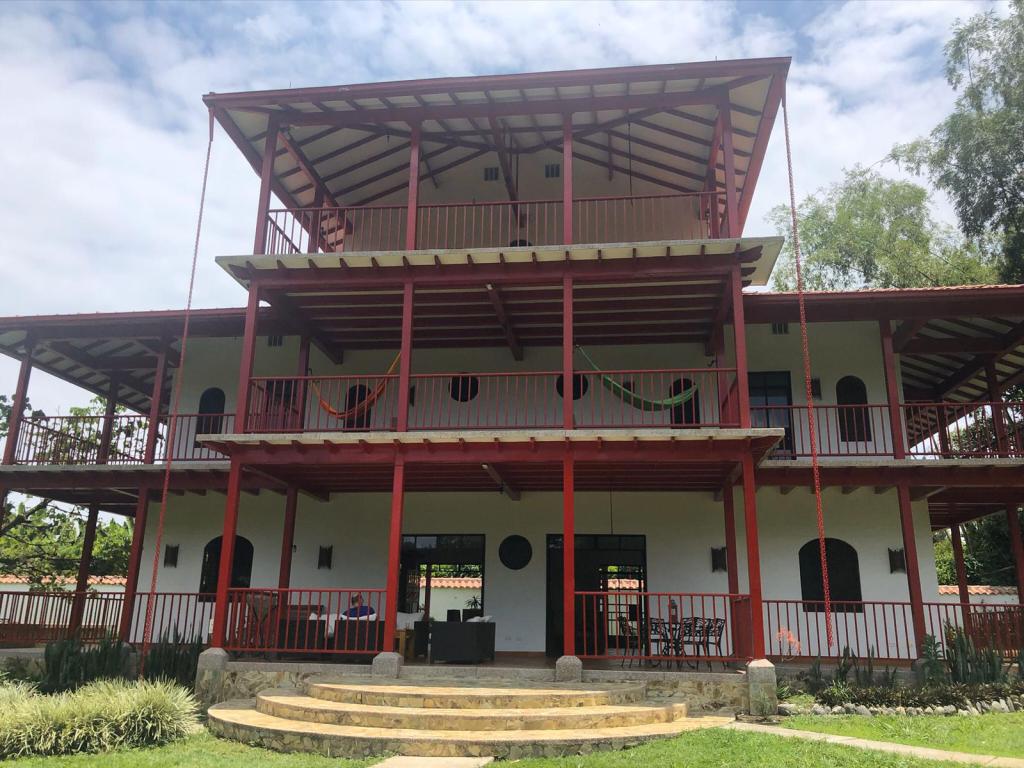
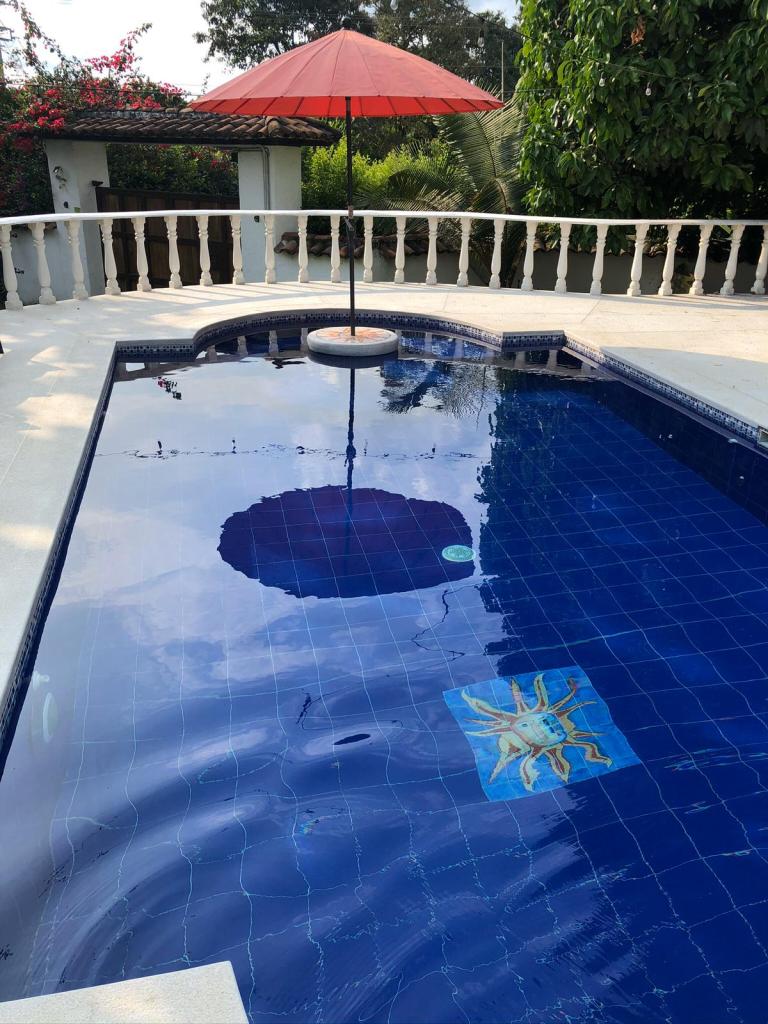
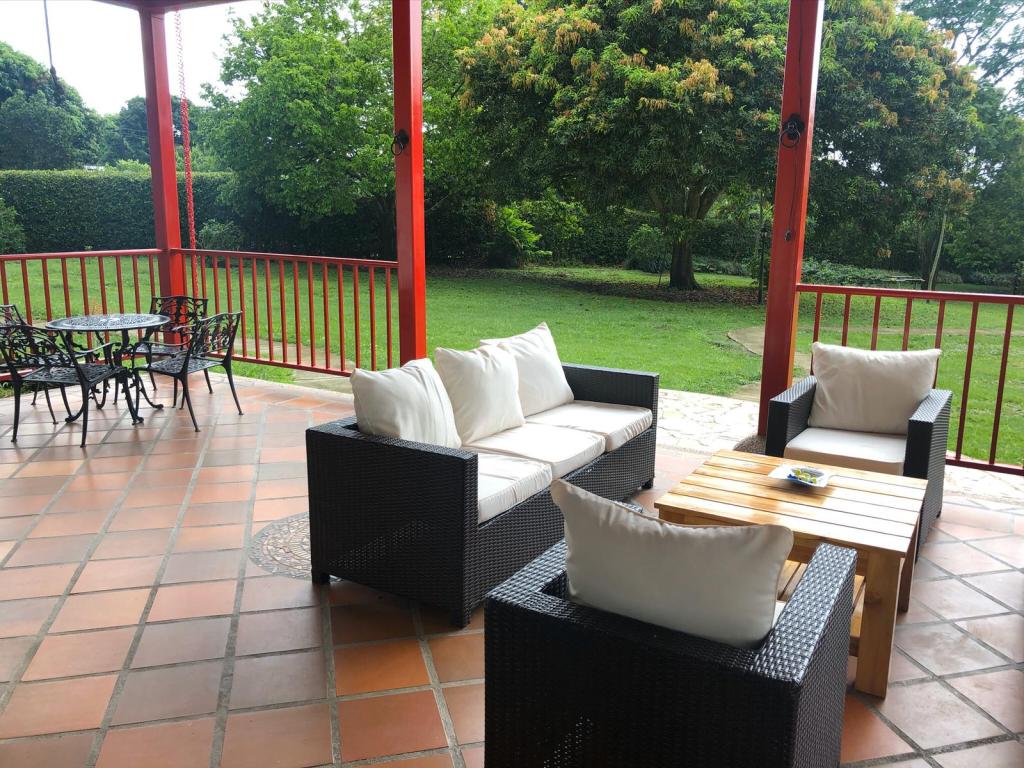
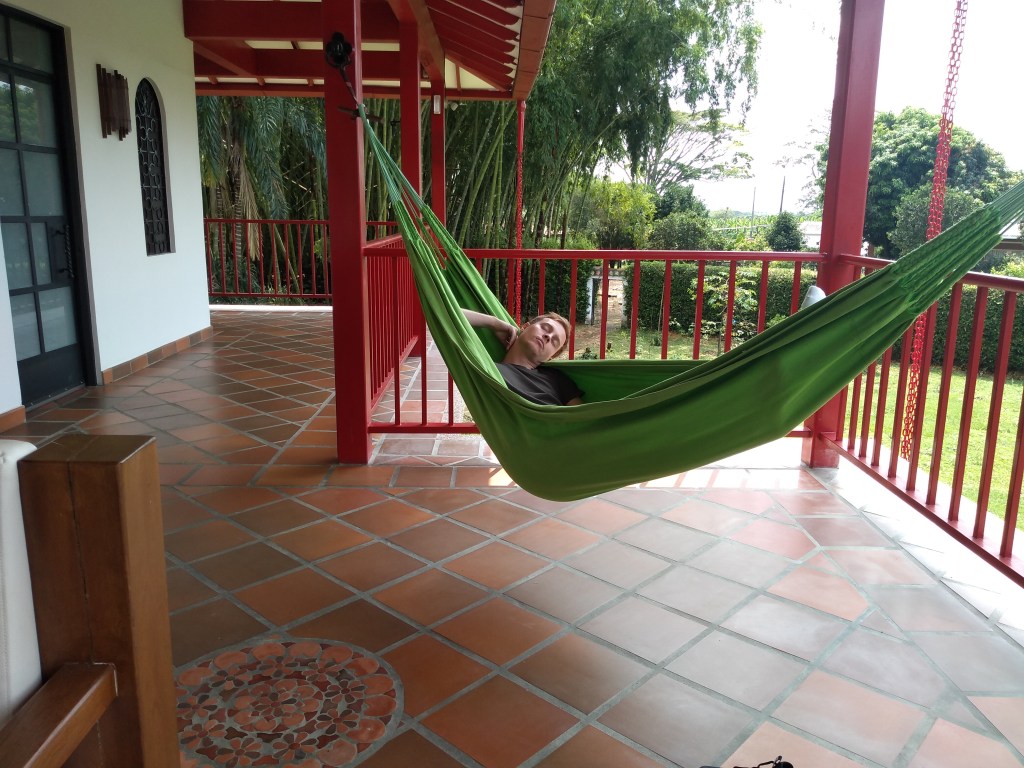
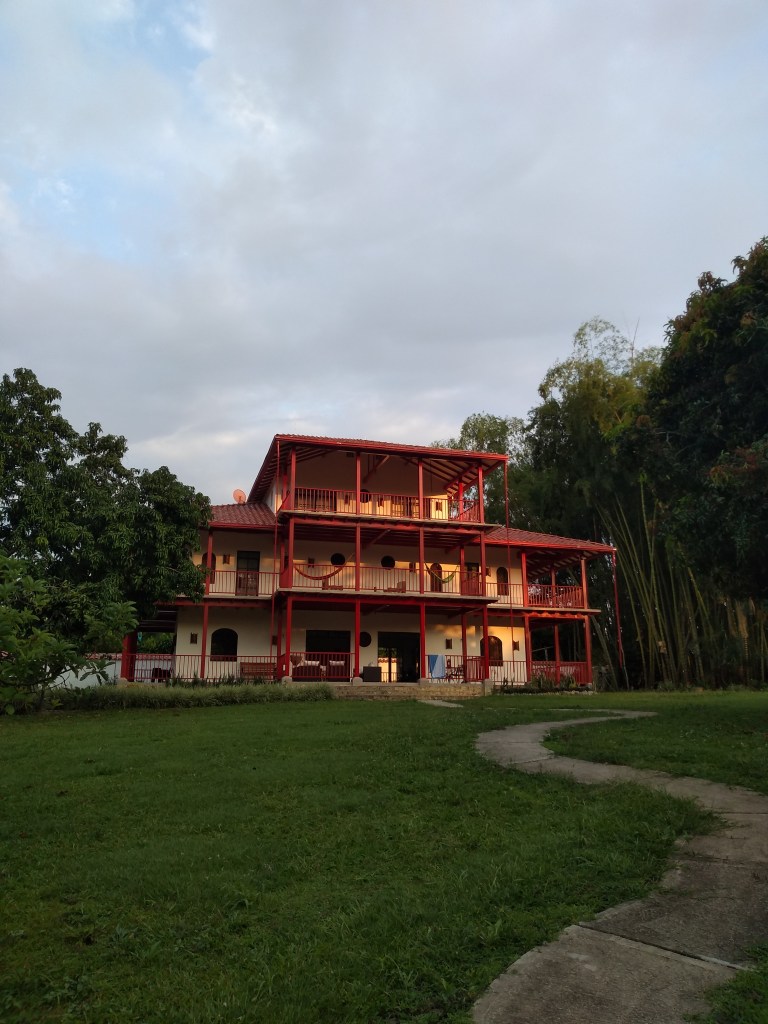
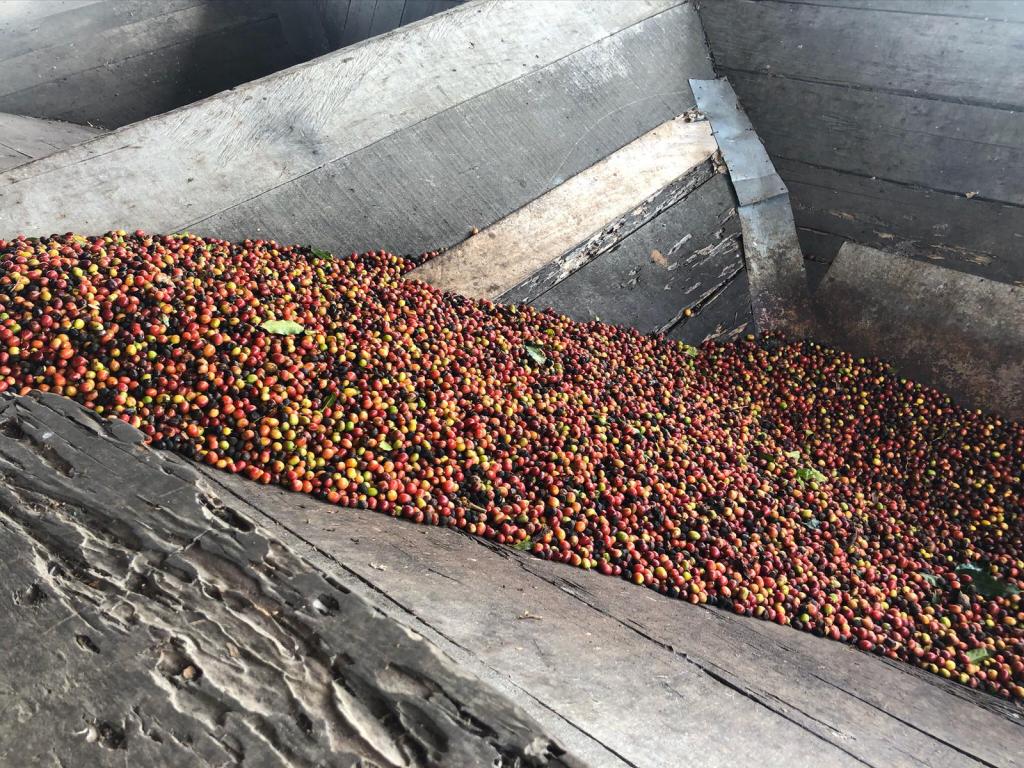
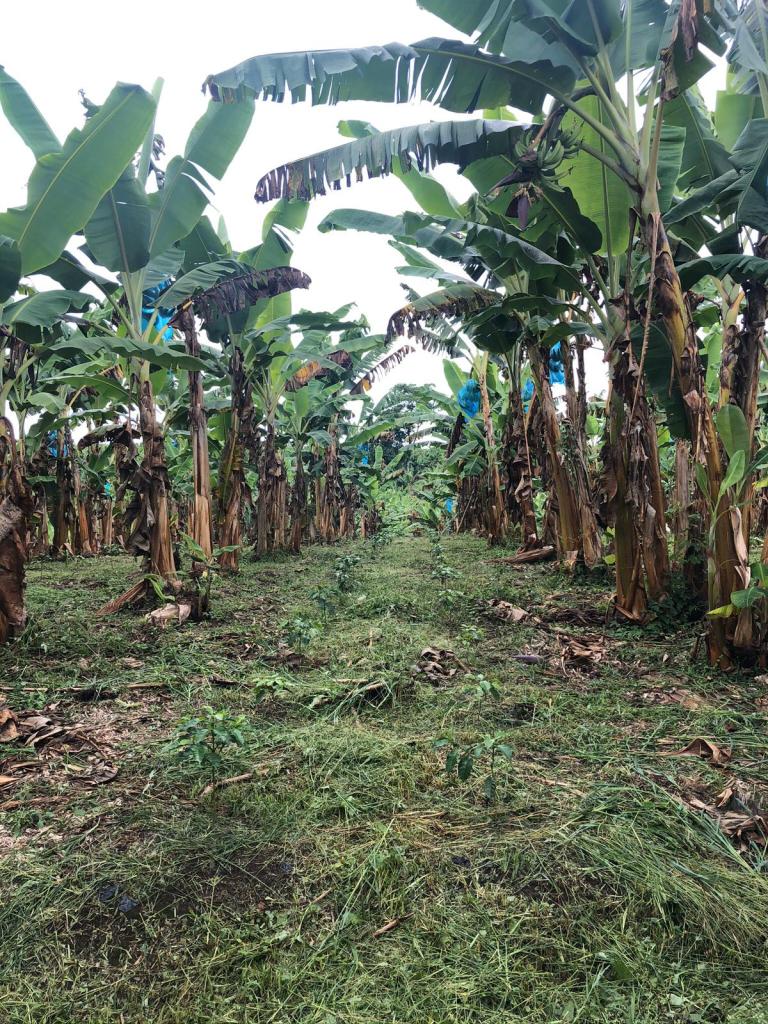
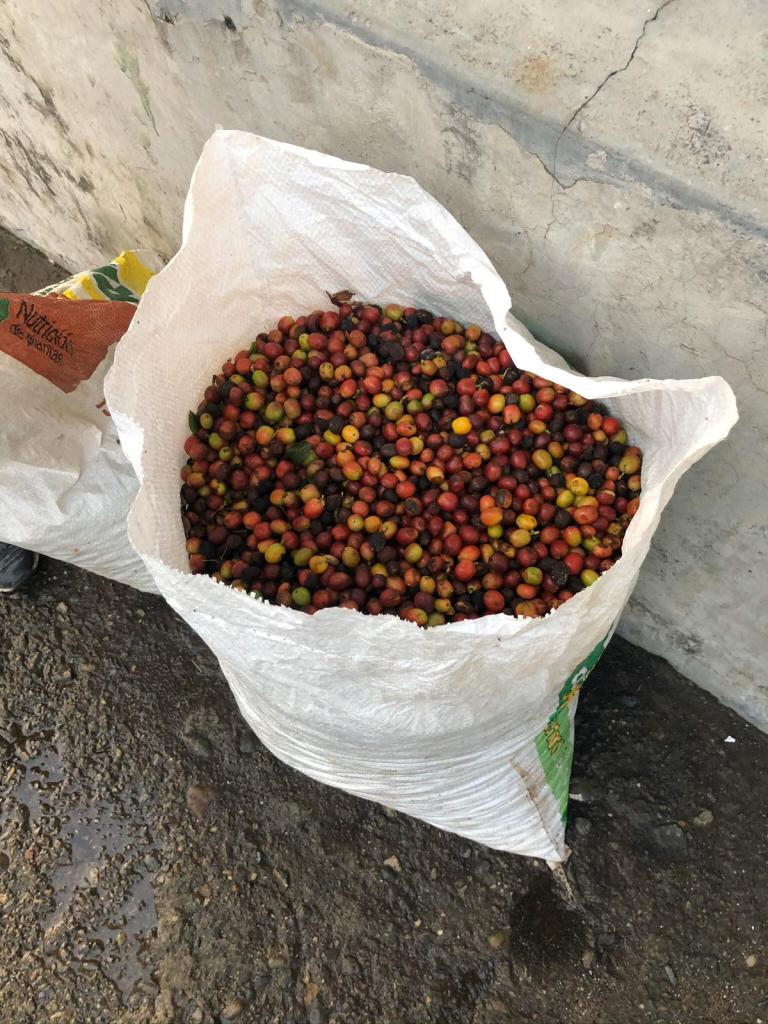
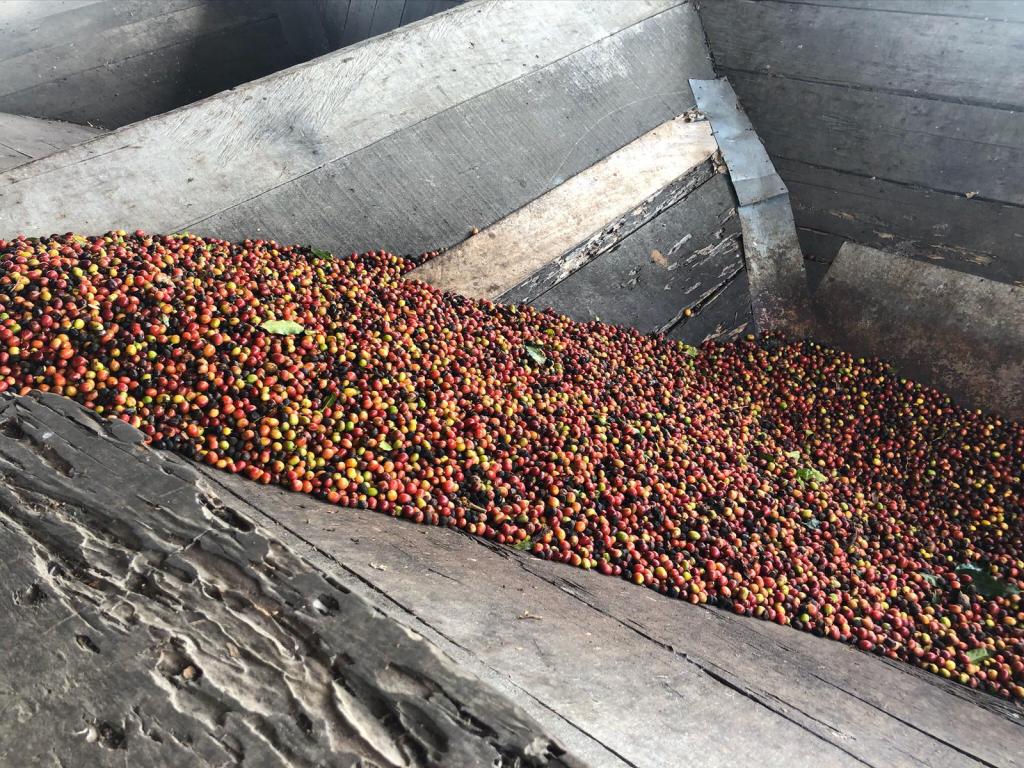
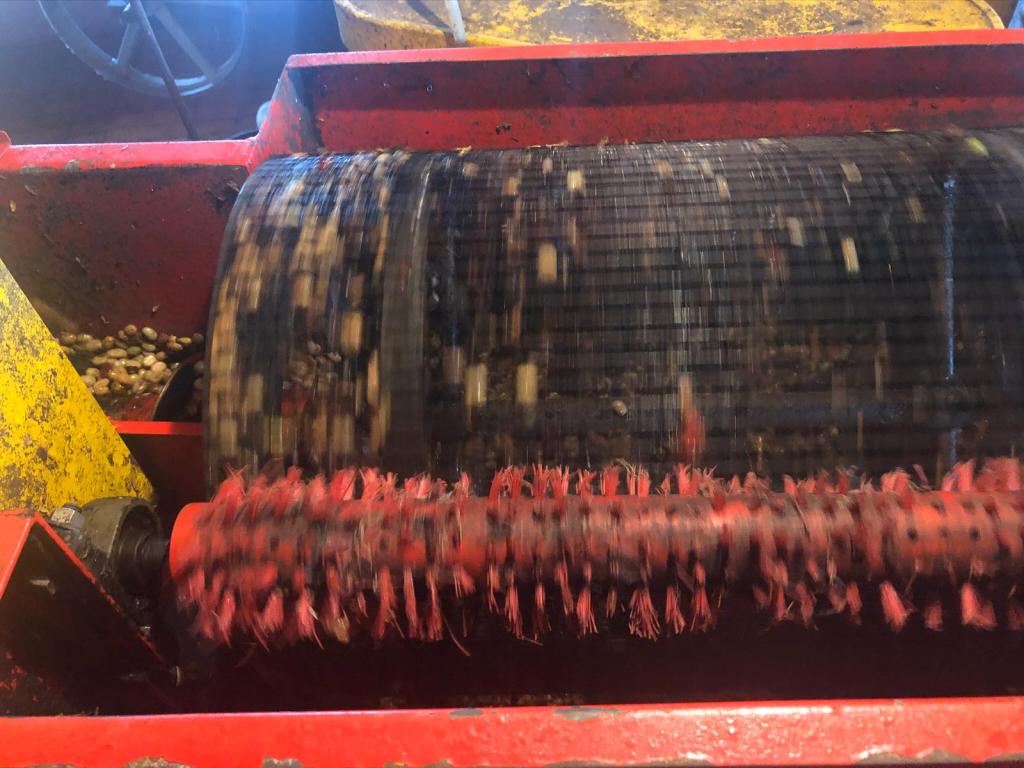
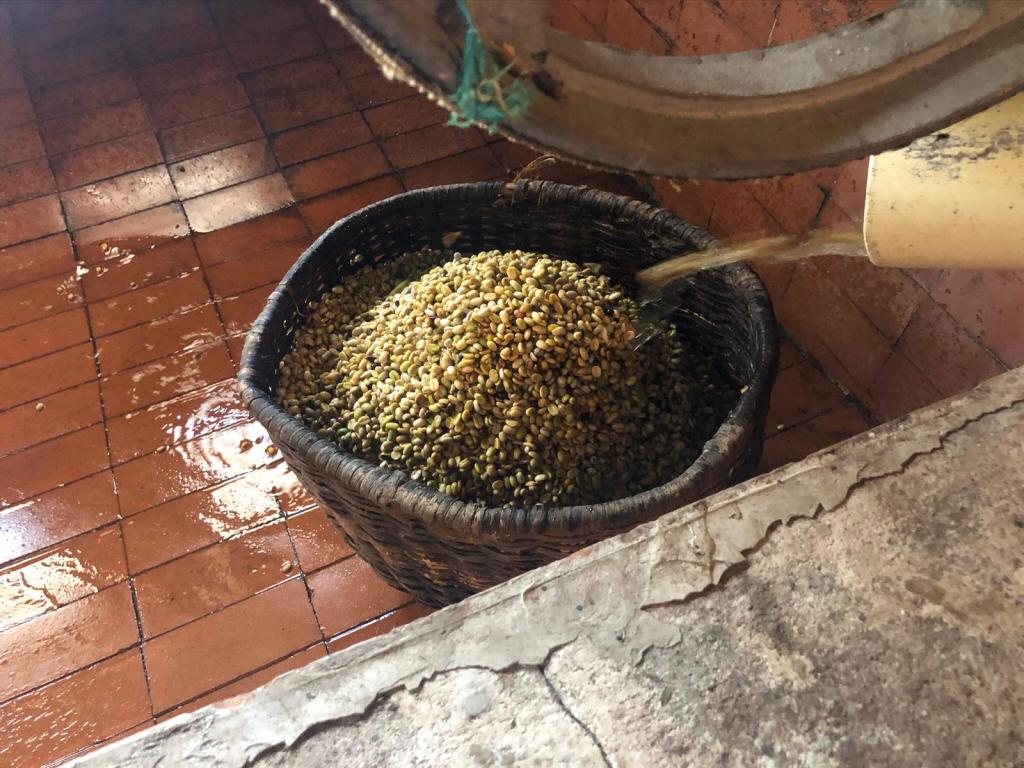
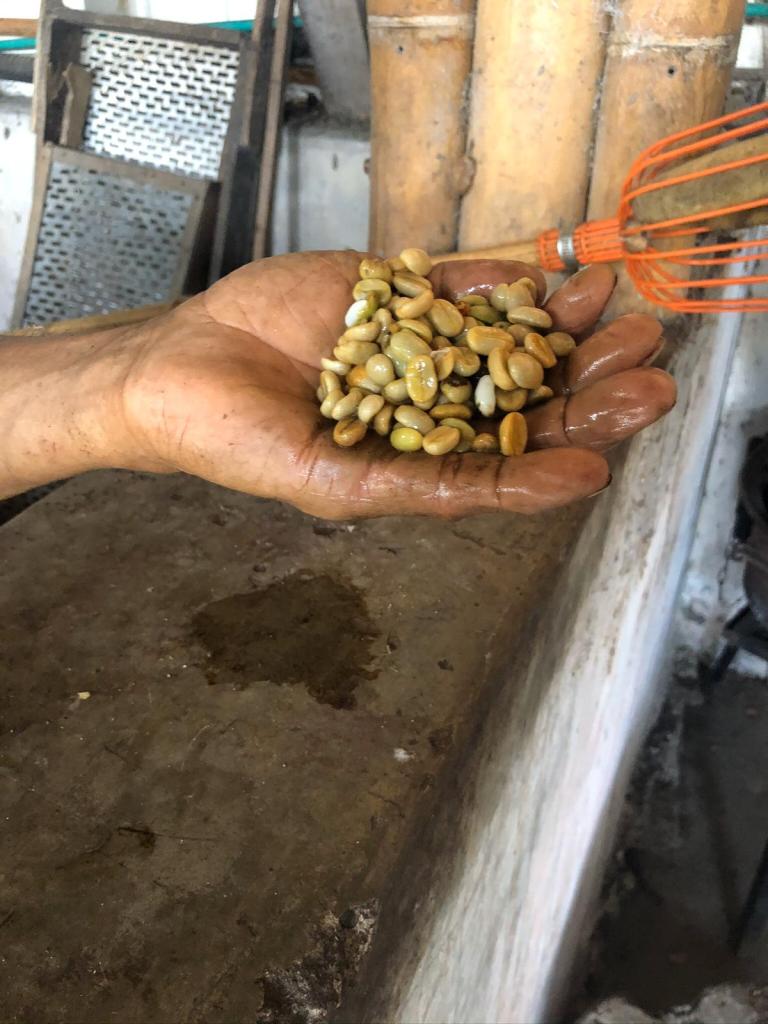
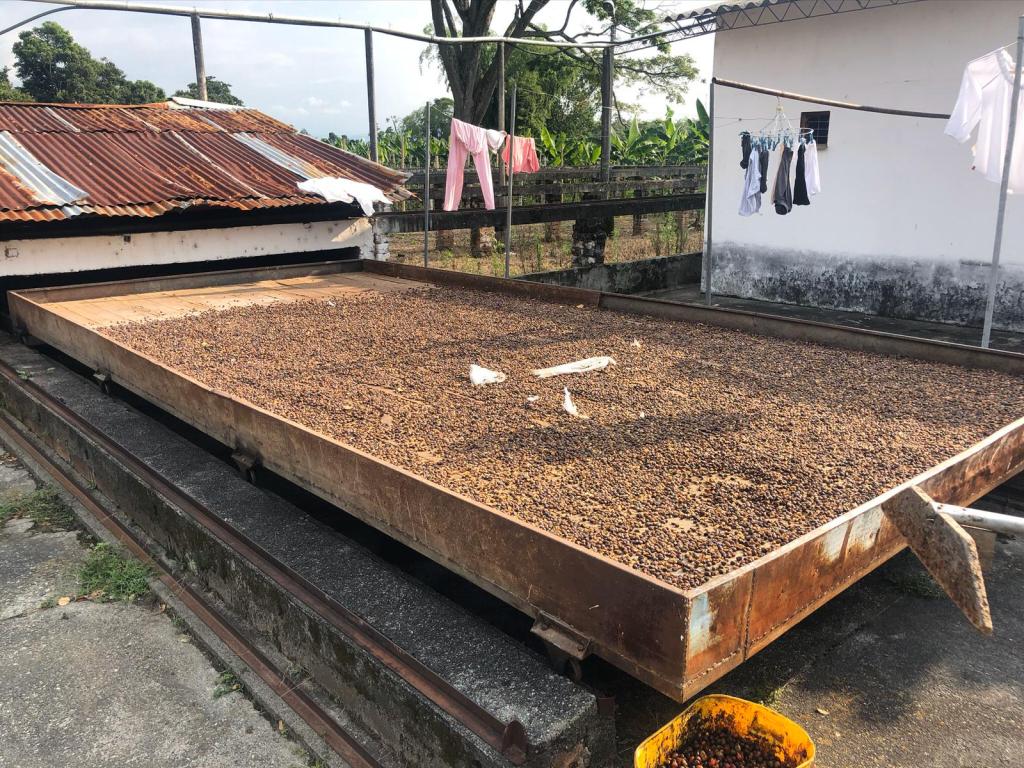
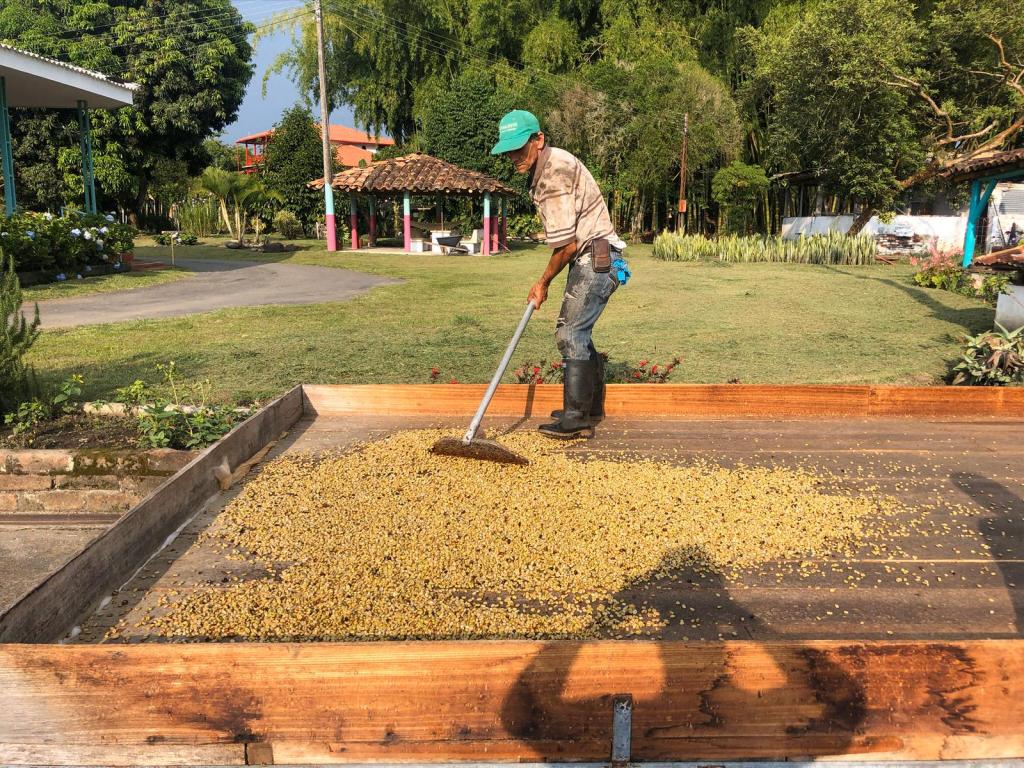
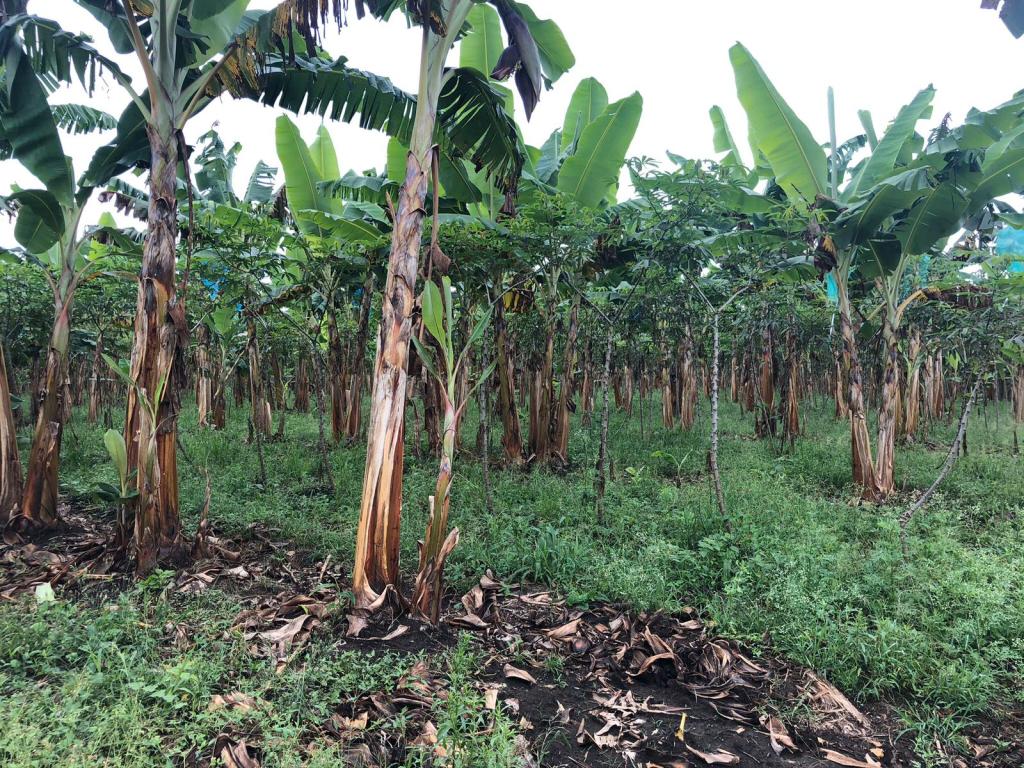
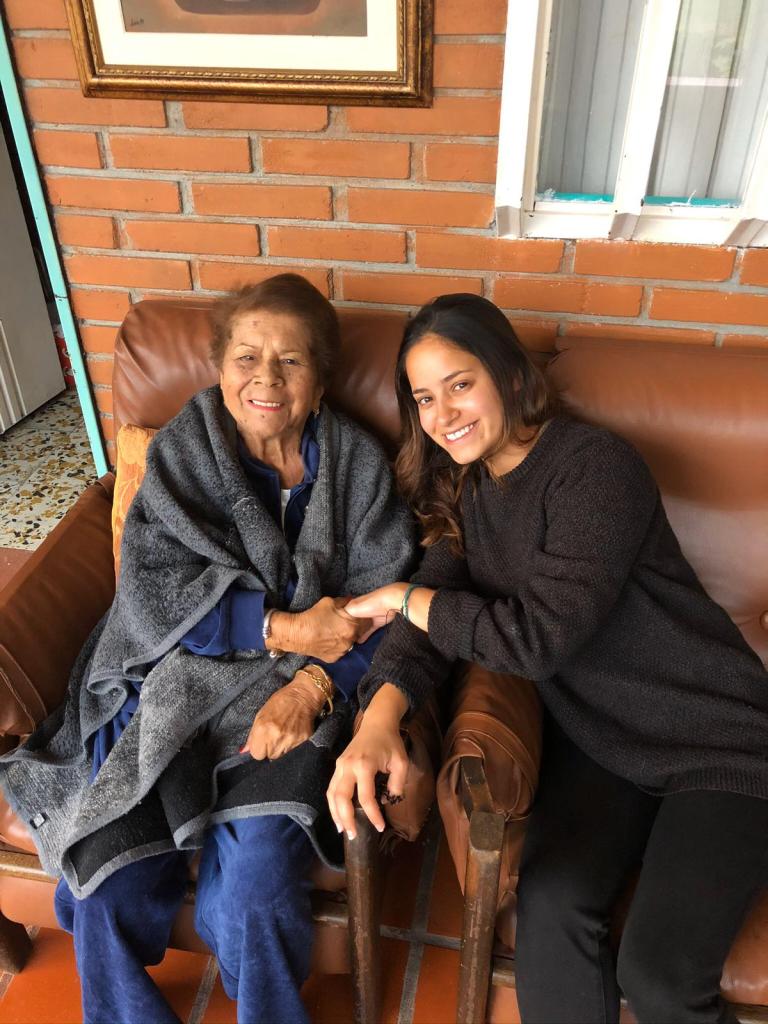
The country-house sits opposite another house where several other members of Juli’s family live, including Maria-Eunice, who collected us from the airport, and Maria-Eunice’s mother-in-law Adiela who is 96 years old! This house has a large piece of land which is a working farm, we wandered around the plantation looking at the rows of banana trees and coffee bushes. One of the days we were lucky enough to see how the coffee beans were processed in a rickety old building. An ancient machine sorted, de-husked and washed the beans, before shooting them out the other end. As the now golden-white beans were laid out in big drying racks we learned that the beans themselves would be exported, the husks would be made into poorer quality (we think instant) coffee and the damaged or over-ripe beans would stay in Colombia to become coffee for the domestic market. The high prices Europe and the US pay for South American coffee means all the good stuff is shipped abroad..! And I thought I was going to the source!

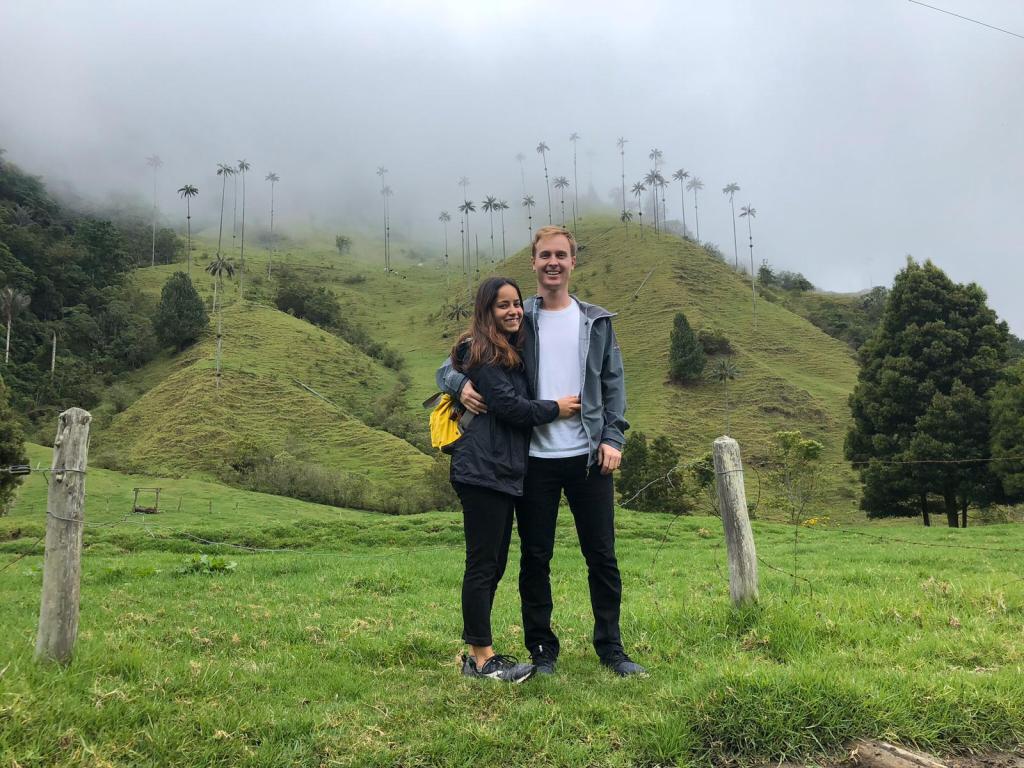
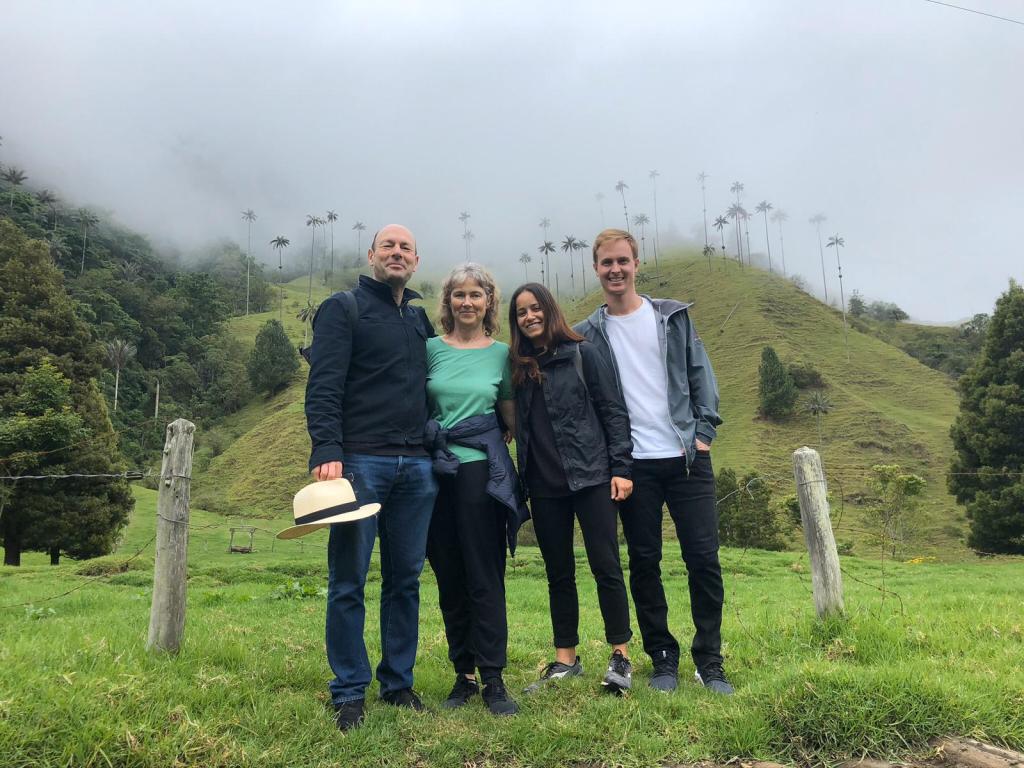
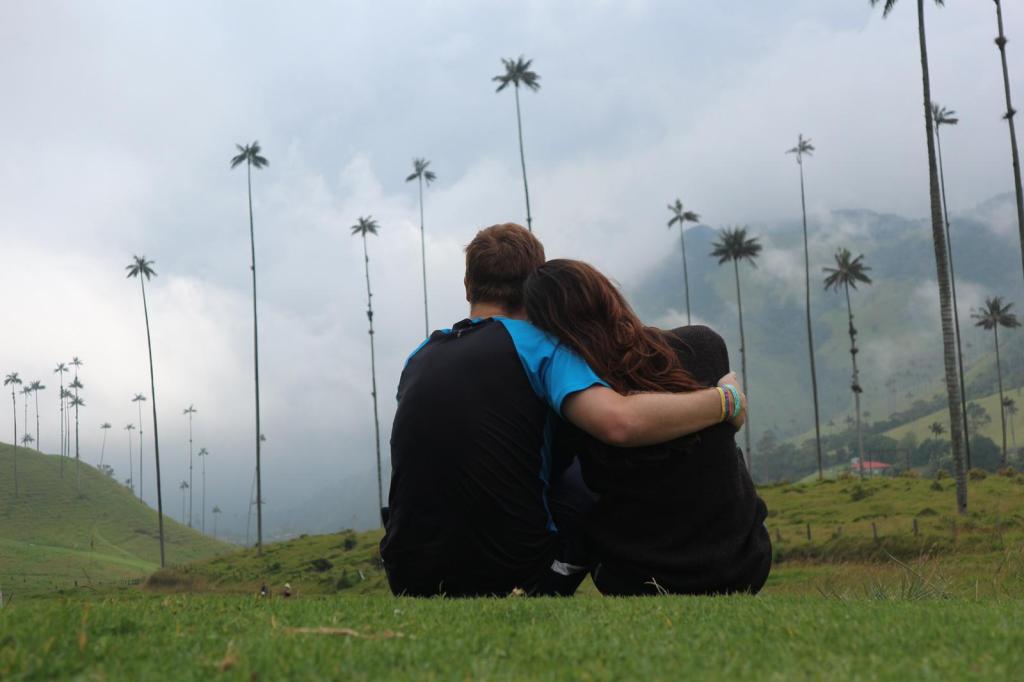
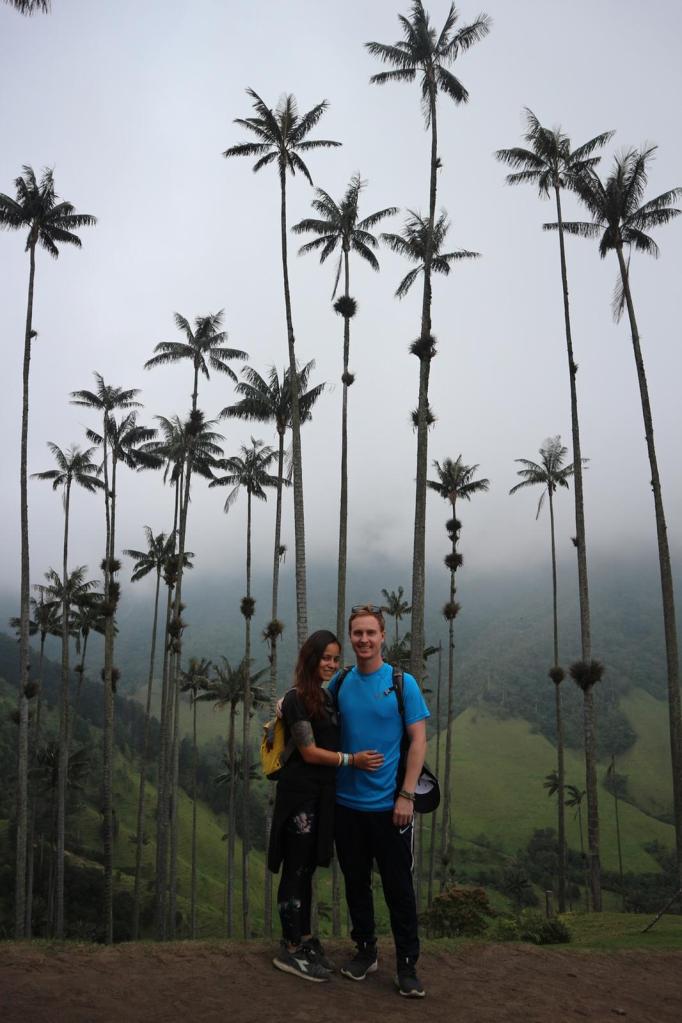
Aside from relaxing at the country-house drinking coconut water straight from coconuts, Juli, me, Charles and Jo took a day-trip to nearby Salento and Cocora Valley. Salento is a beautiful Colonial town with many photo and shopping opportunities, but the real aim was to visit the famous Cocora Valley. We took a two hour hike through one of the few places where Colombia’s national tree grows, the Quindio wax palm tree. These are palm tree sky-scrapers, 50-60 meters tall but super-skinny. Most are between 100-200 years old and make for an unbelievable landscape as the valley is almost always shrouded in mist – in Spanish it’s called ‘El bosque de la niebla’ – the fog forest. There used to be more of these trees but they were cut down for Palm Sunday celebrations, thankfully they’re now protected and the landscape is still astounding. We liked this place so much that Juli and I returned for a longer walk a few days later, even making it up to the Hummingbird sanctuary at the top of the valley!
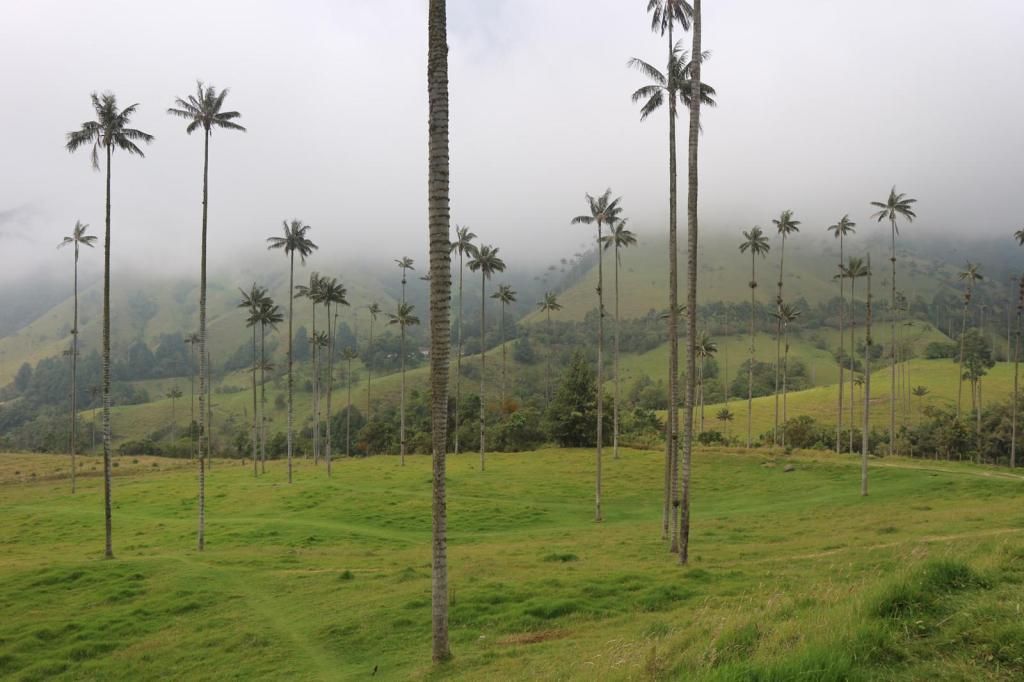
Cocora Valley 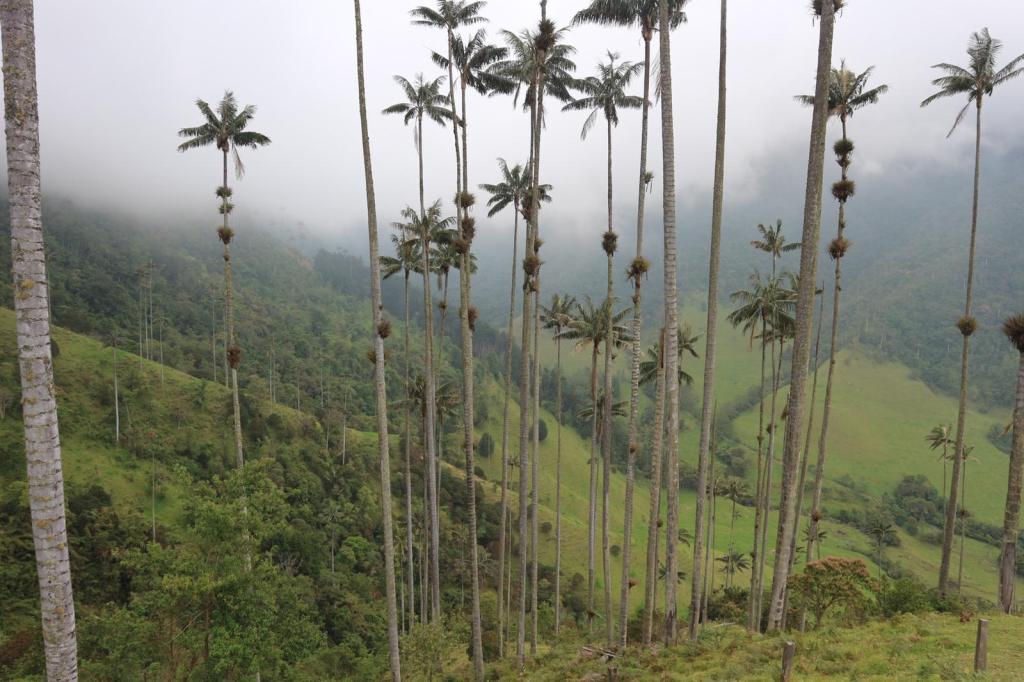
Cocora Valley
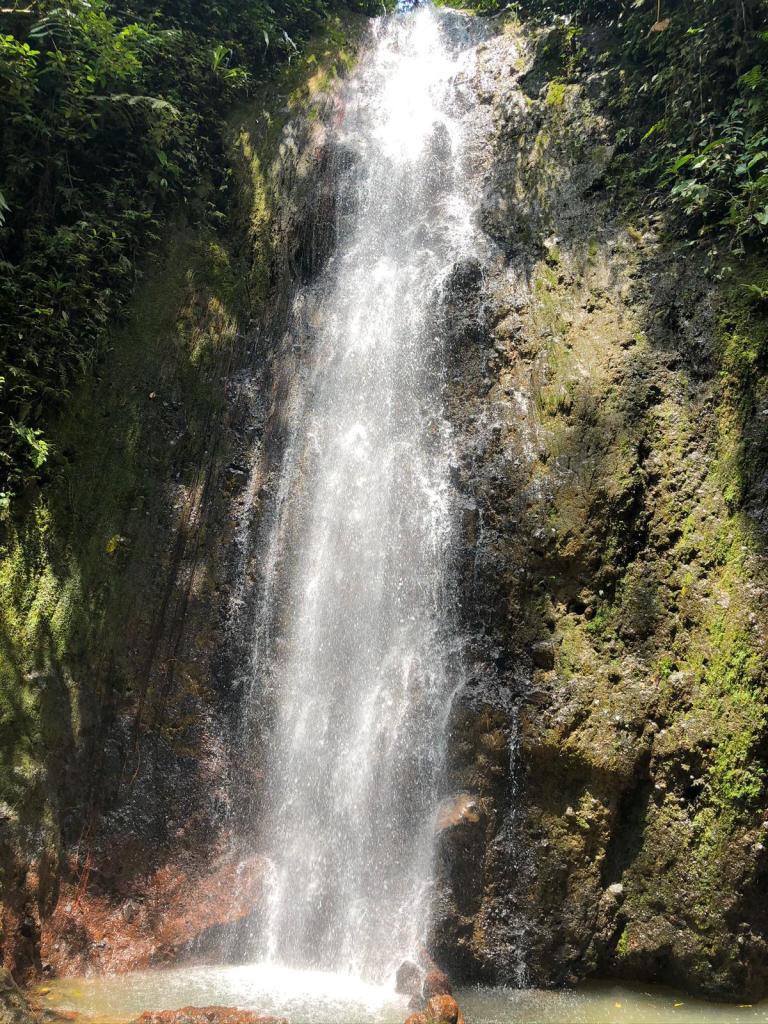
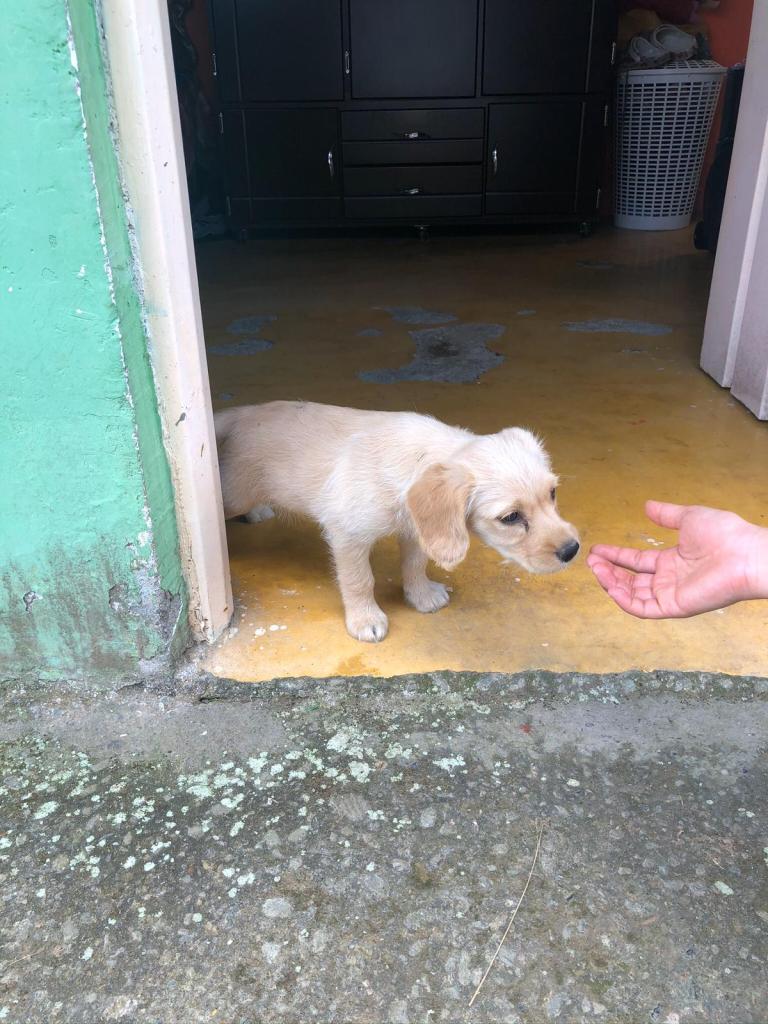
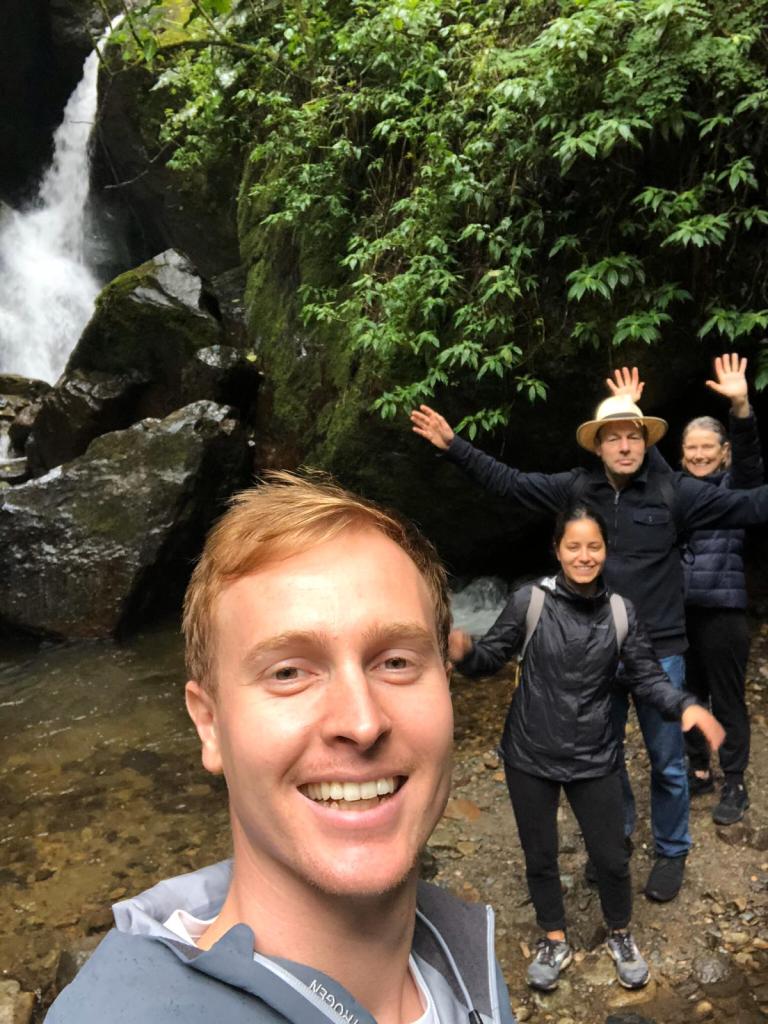
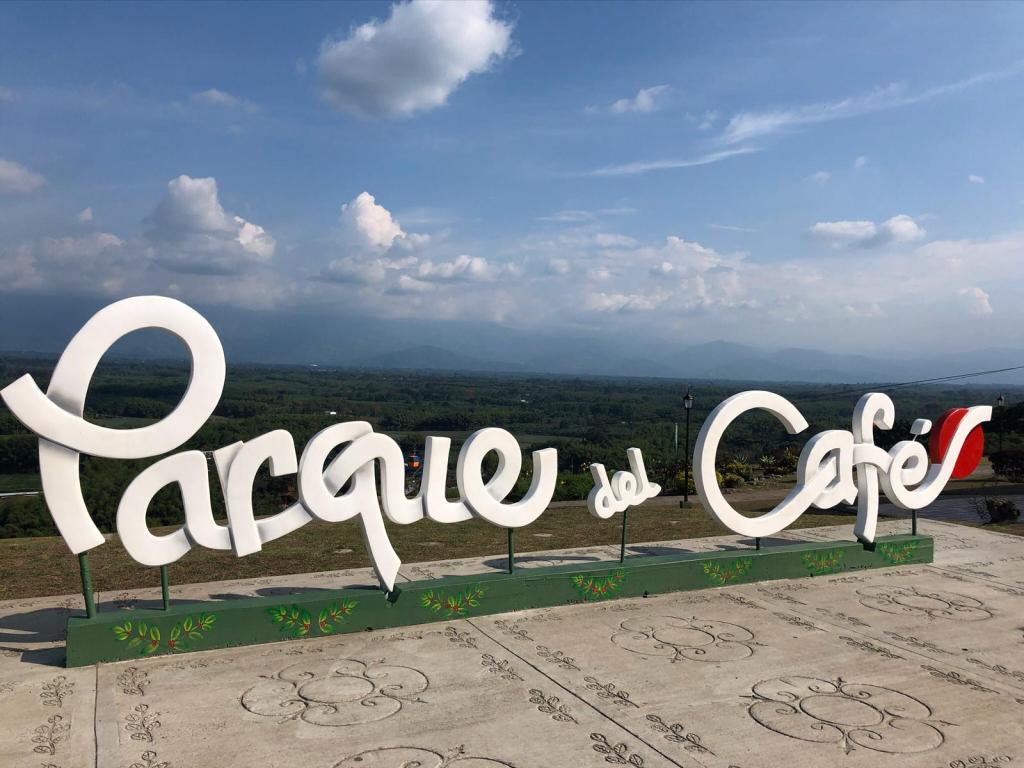
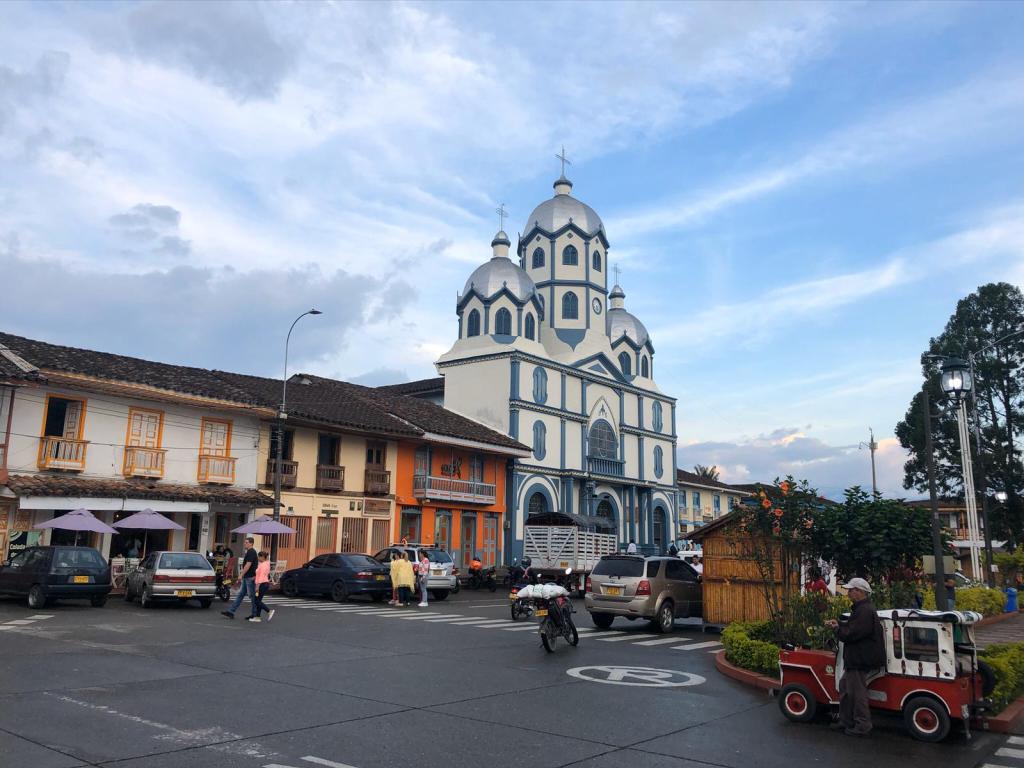
Before we left the big red country-house, we squeezed in a trip to the nearby ‘Parque del Café’, literally it’s a theme-park where all the rides are (somewhat tenuously) coffee themed. Juli and I spent the day being big kids going on all the roller-coasters and log-flumes, of course also having a coffee or two. Saying goodbye to Juli’s family, we then started our bus-hopping route back towards Medellin, passing through Montenegro and then stopping one night in the magically-named ‘Filandia’. This is another really beautiful Colonial town, slightly smaller and friendlier than Salento, famous for its views of rolling hills covered in coffee bushes. We also took a longer-than expected hike to two waterfalls, which we wouldn’t have found without Juli being able to speak to the locals en-route. On the way back we stopped for a drink at the house of the person who was nominally ‘organising’ entrance to the waterfalls and found such a cute little puppy!
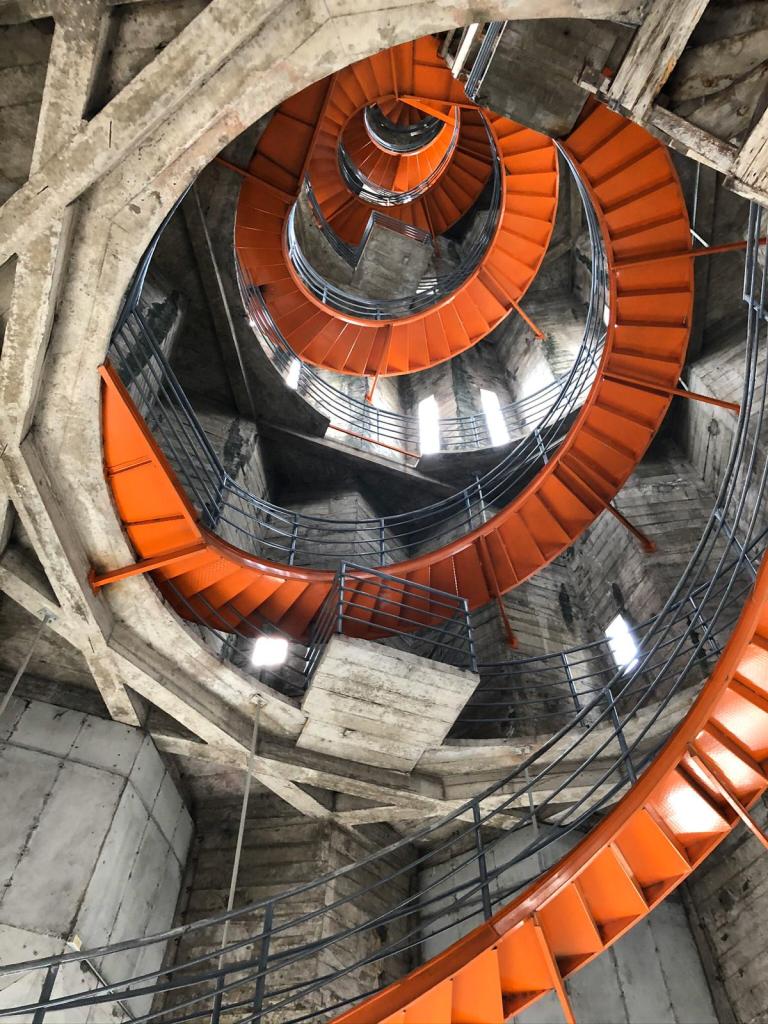
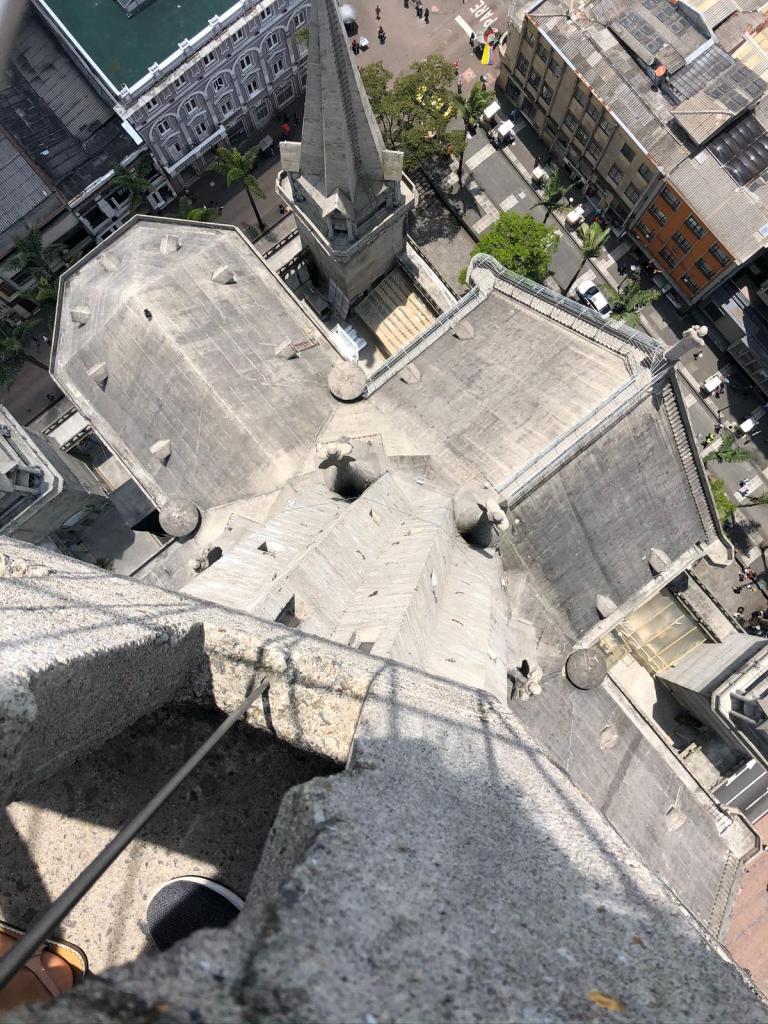
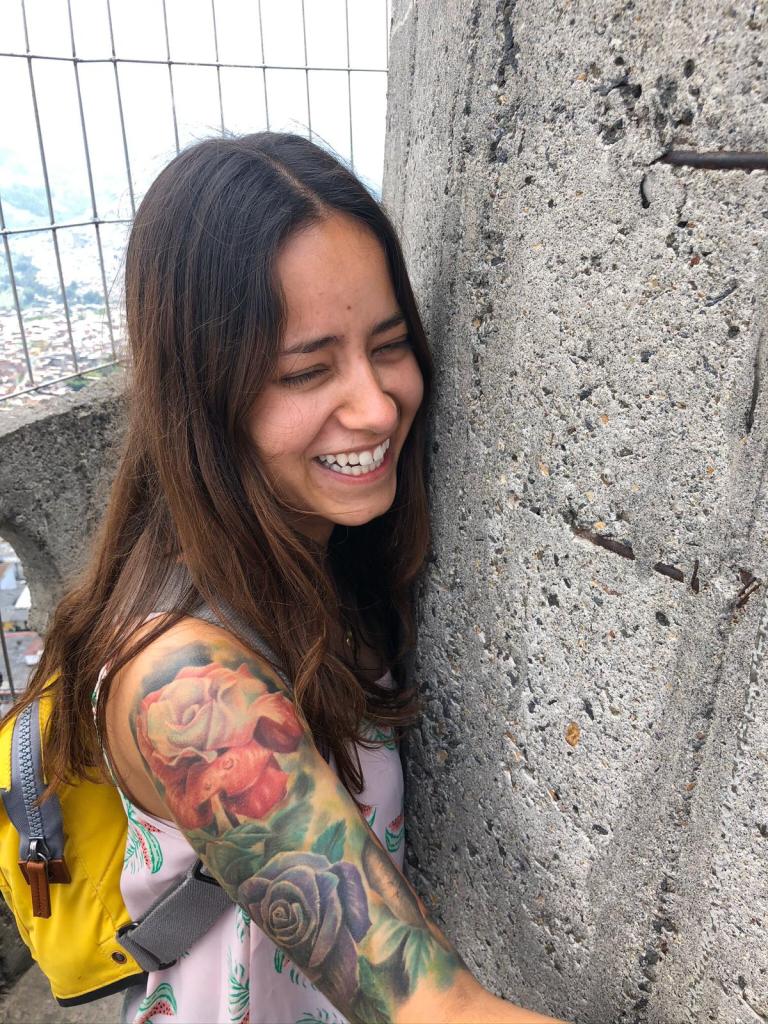
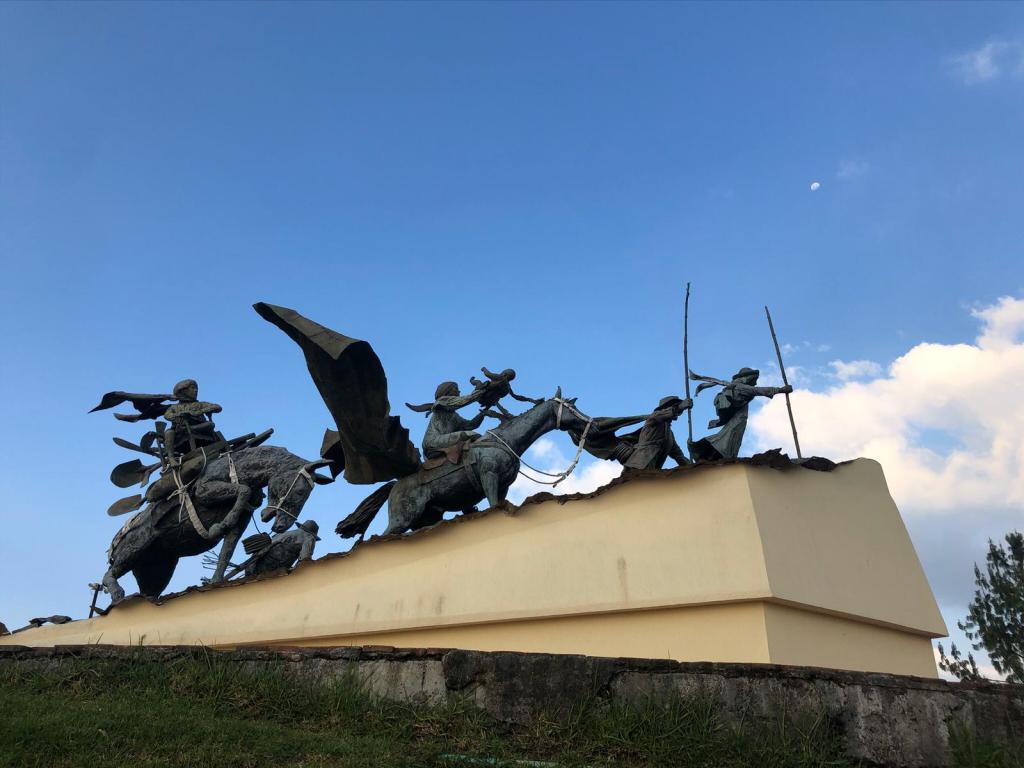
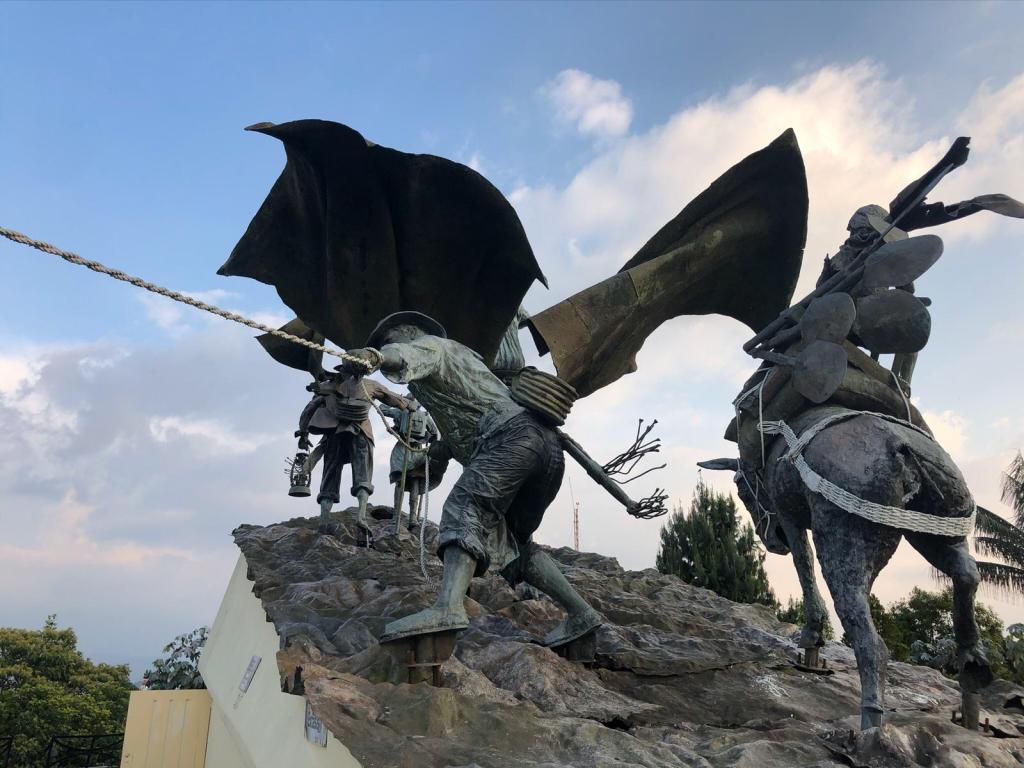
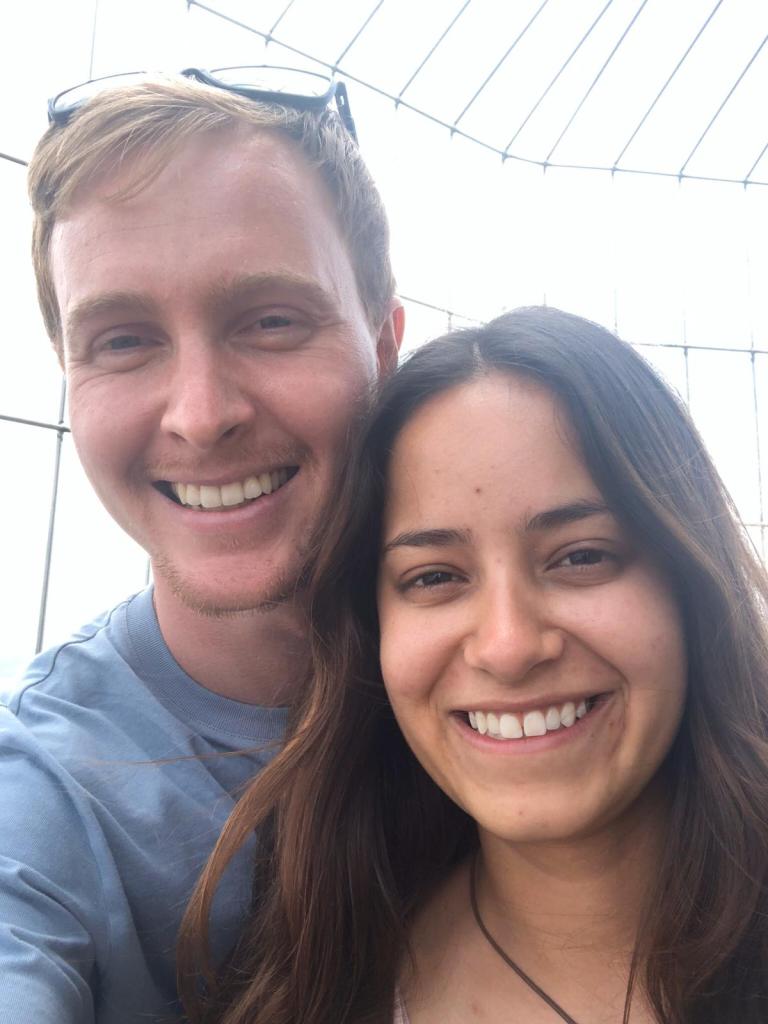
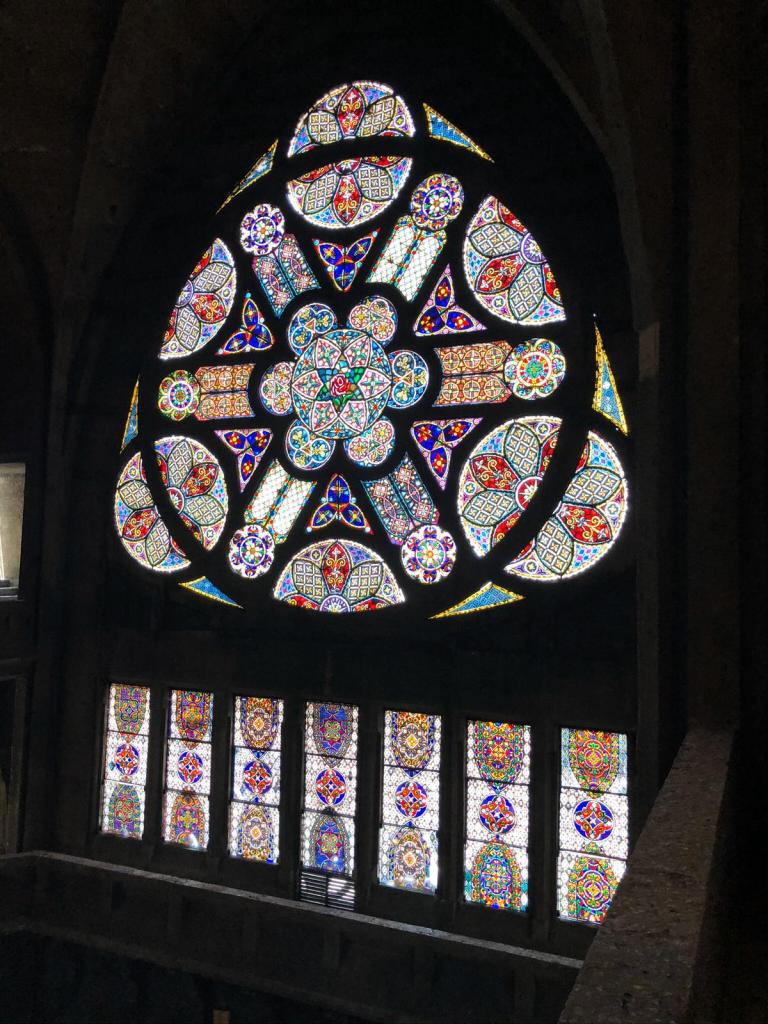
The next day we took a bus up to the bright lights of Manizales to stay with Juli’s mum’s cousin, Clara, for two nights. Manizales is a pretty big city which is built up one side of a mountain, so we definitely benefitted from the cable car system to move up and down the city. We spent a full day exploring, which included seeing a slightly confusing ‘Monument to the Colonisers’ – not sure anyone has really ever benefitted from colonisation but hey-ho, and the very impressive Manizales Cathedral. This has a spire of over 106m, the highest in Colombia, and also a ‘sky-walk’ where there’s a glass floor you can walk over and see worshipers far below. As you can see from the photos, Juli is not a fan of heights so this was a bit of a stressful tour for her 😀
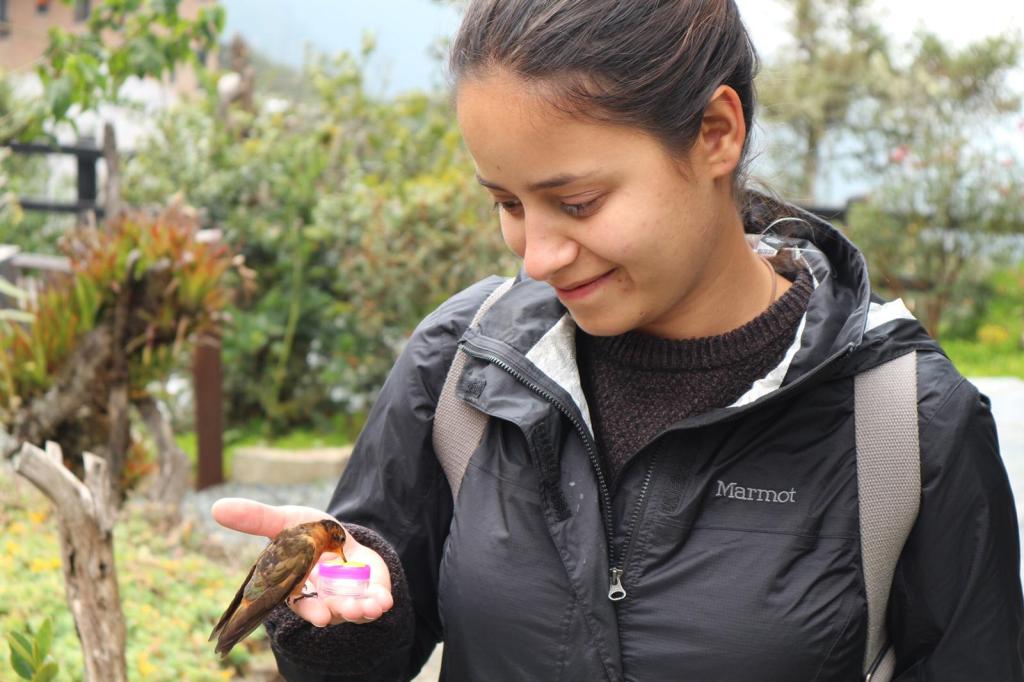
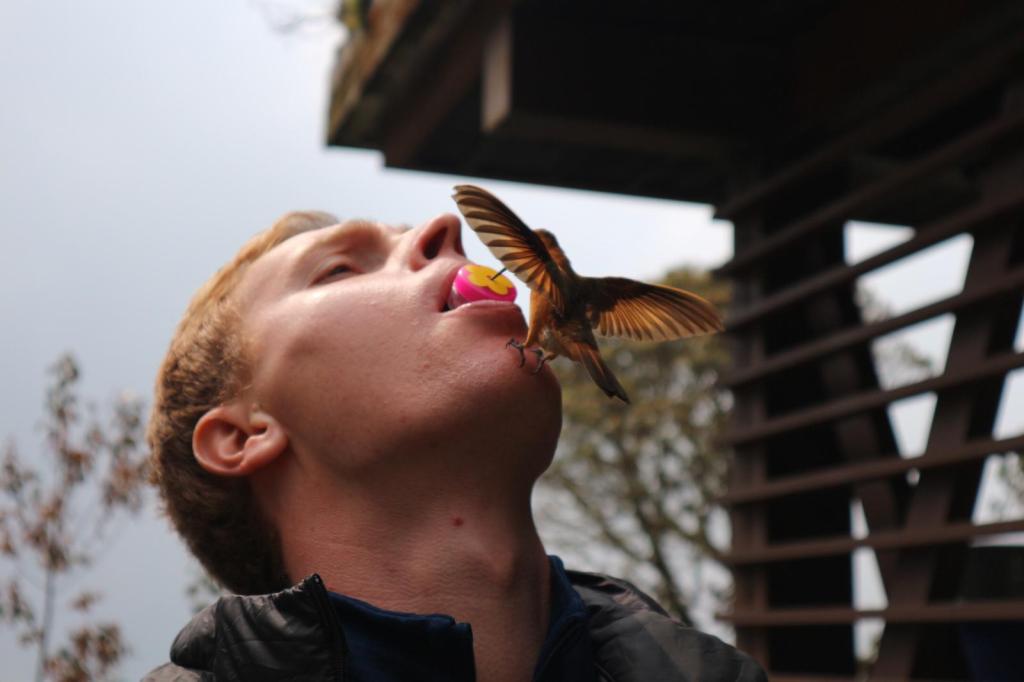
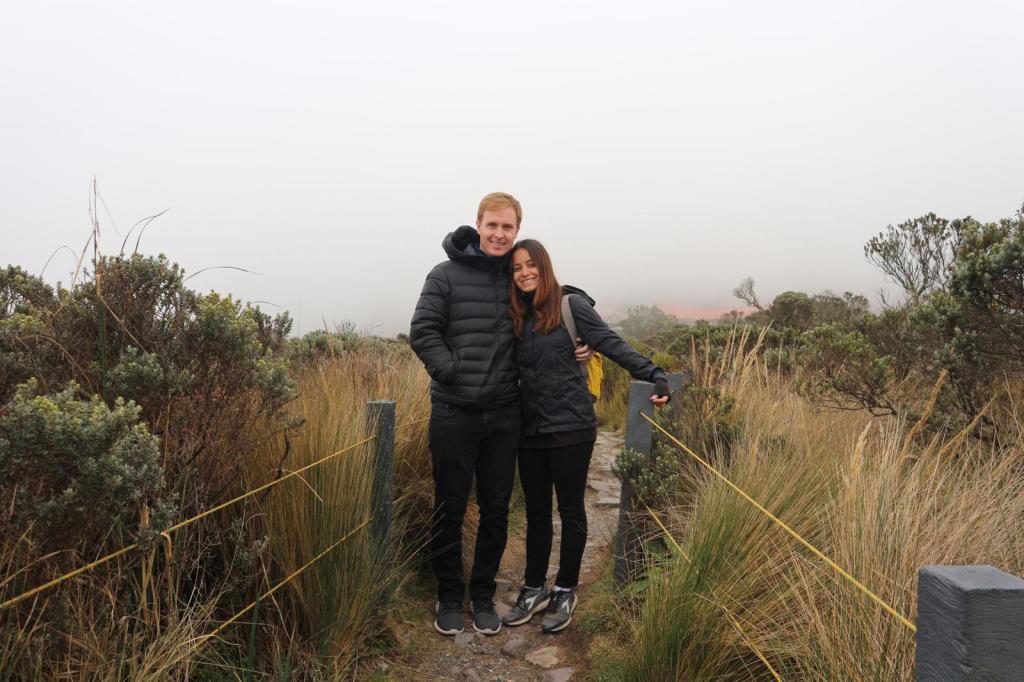
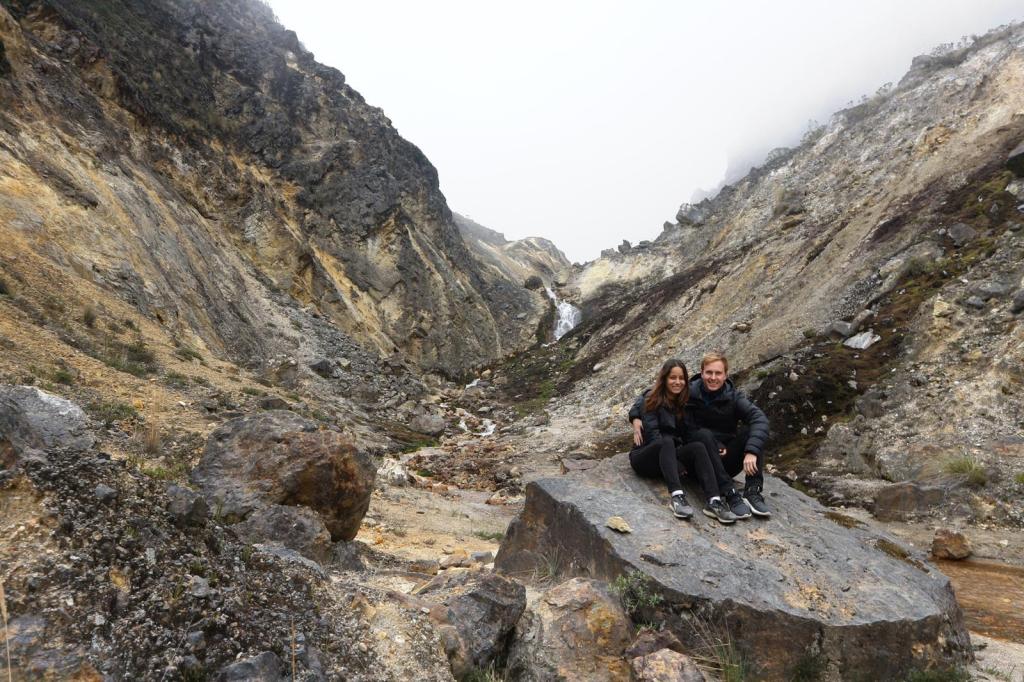
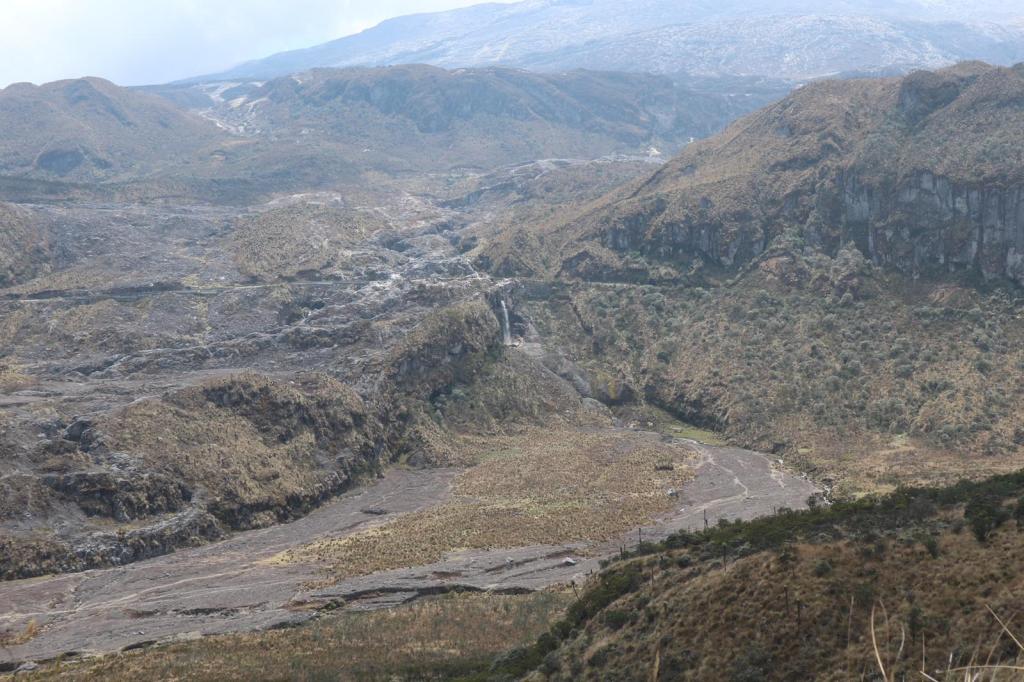
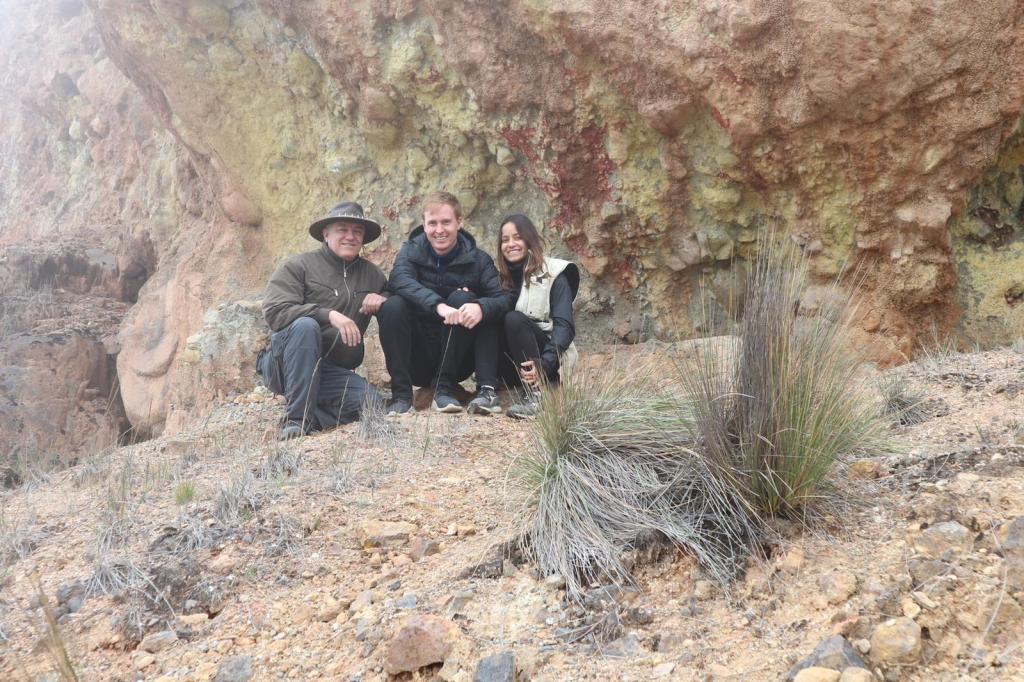
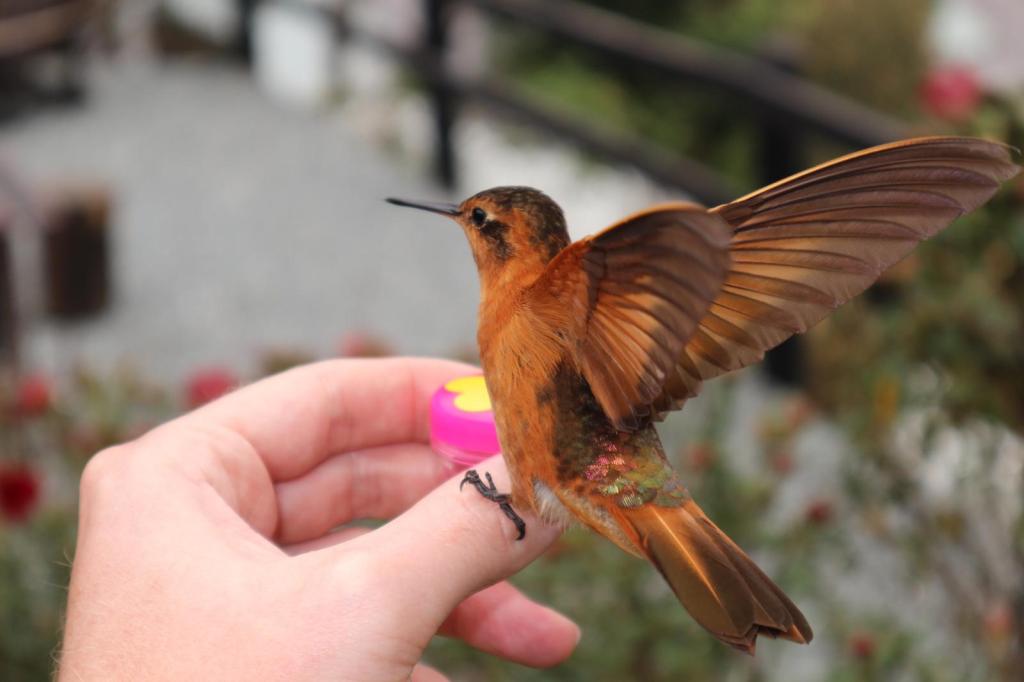
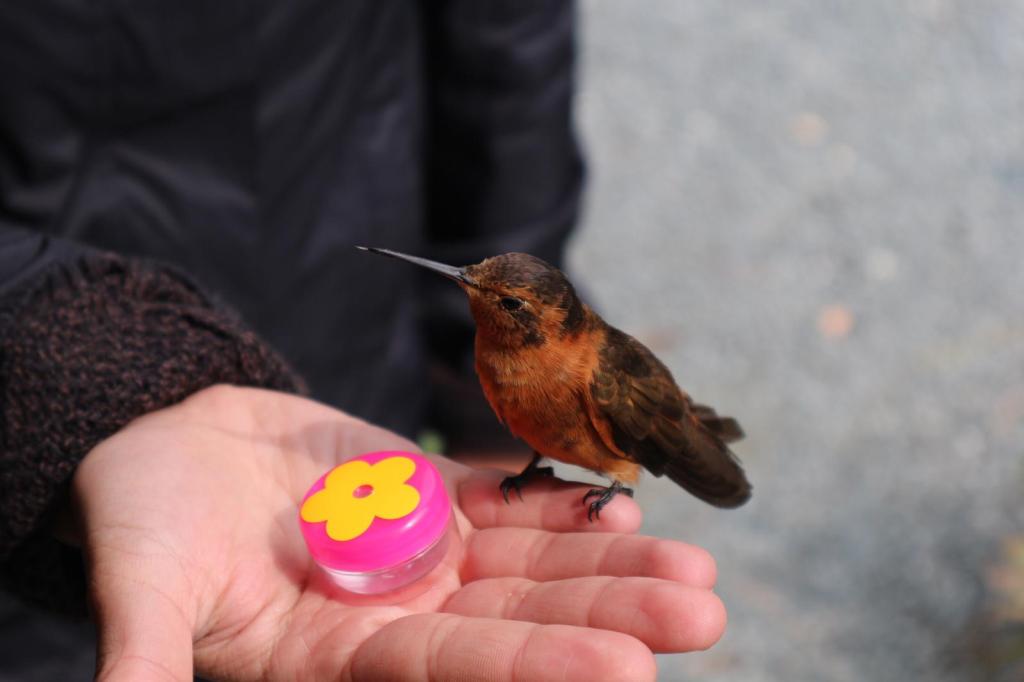
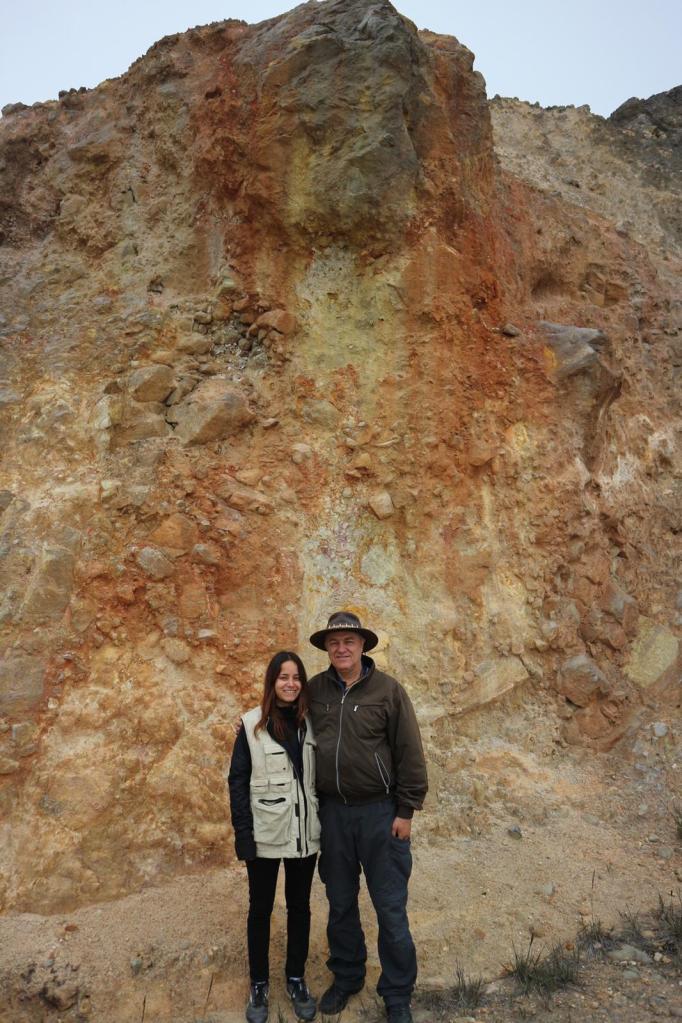
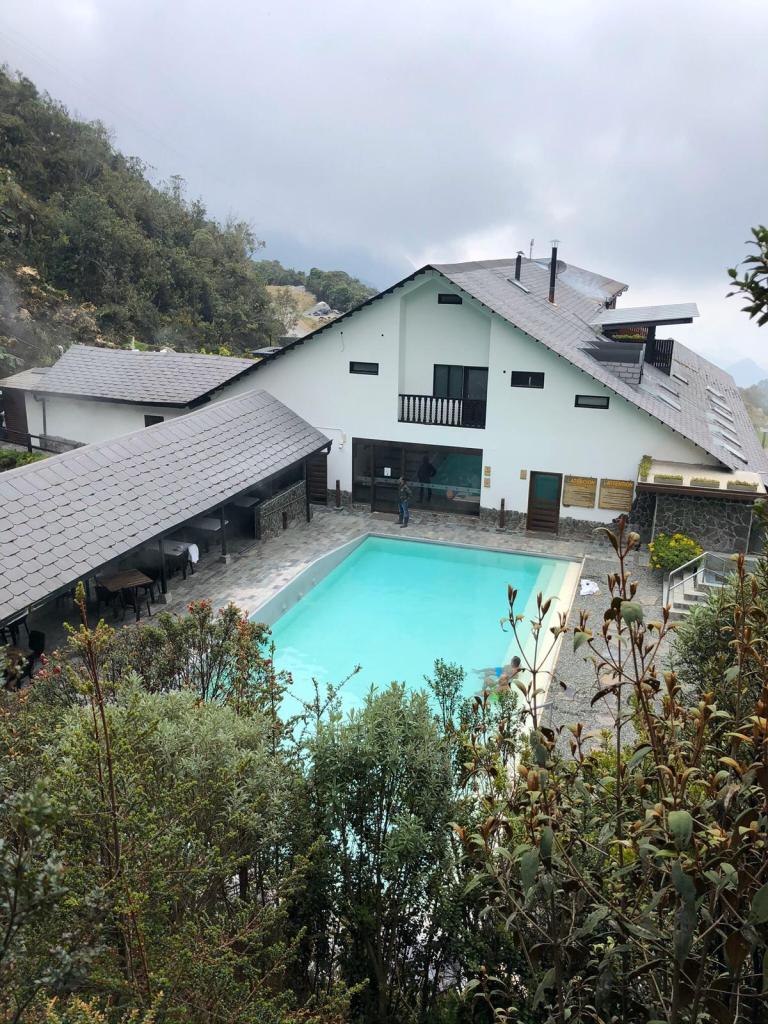
Our very last stop before getting our final bus back to Medellin on March 12th was with Juan-Carlos, another of Olga’s cousins. He is a surgeon and avid bird-watcher and has a second home on the outskirts of Manizales, where we would stay one night. He took us up into the nearby ‘Parque Los Nevados’, a national park where you can drive up to an altitude of 4,138m. What we didn’t realise was how awful a driver he was, speeding at break-neck speeds up very windy mountain roads. Stopping to see the rock formations was light-relief for me sitting in the back, although once we neared the top the roads deteriorated forcing a reduction in speed – thank god! Seriously though the views through the clouds and the high-altitude lakes were amazing to see, the scenery was quite moon-like. We then raced half-way back down the mountain for a late lunch at a hotel sitting next to thermal pools, it is also a well-known bird-watching spot. After the driving we really enjoyed relaxing in the thermals before having a truly unforgettable experience of photographing brilliantly coloured humming-birds. We were given little pots of sugar-water to encourage them to land on you, it was just fantastic.
Following this, we sped down the rest of the mountain, in the dark, to Juan-Carlos’ house. This was rather strange as although he had purchased it a while ago, he still hadn’t organised it at all for guests. For instance we had to stop at a nearby shop to purchase sheets, pillows and blankets for the bed we would sleep on. We don’t think it is visited very often, the house is covered in dust. Nevertheless we were grateful for the experience of the day and to arrive safely to the house. The next morning we took a 9 hour bus back to Medellin, little did we know how our world was about to change!
Next blog: our Coronavirus experience in Colombia
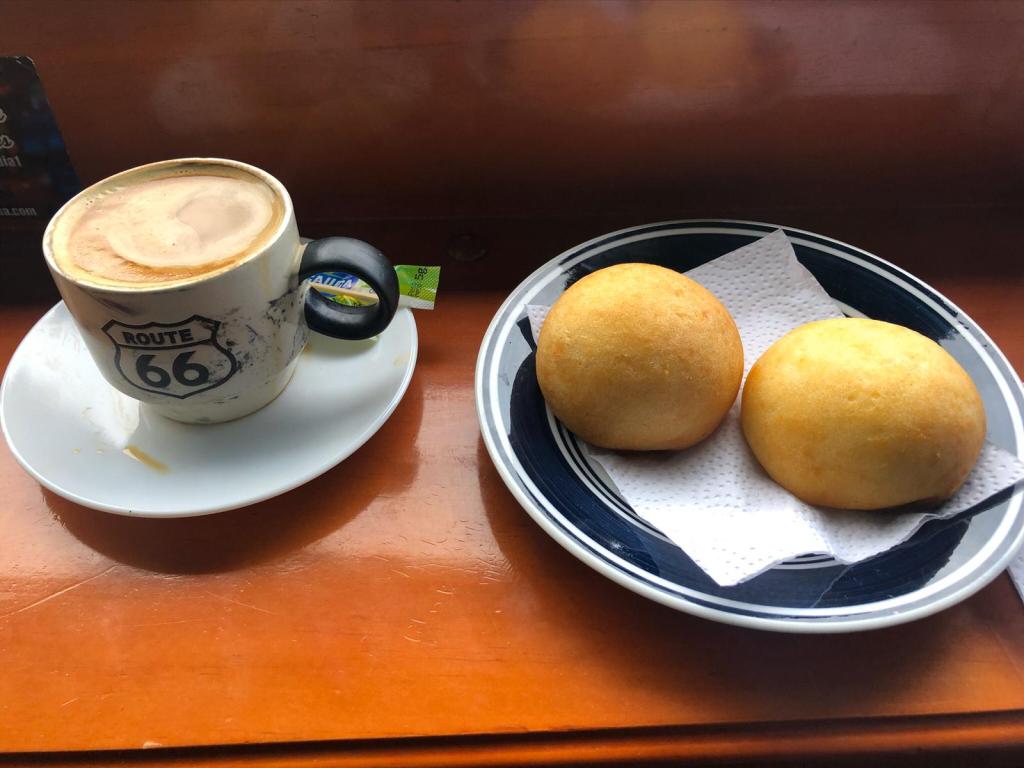
 Coffee con Leche
So wonderful to go back to the “old days”. Makes the memories even more valuable for you in today’s locked-down world! And you write in a very evocative style, backed by great photos.
There are clearly many beautiful and interesting places to visit in Colombia. Uncle Jorge’s place looks amazing and fascinating to learn about coffee making from your direct experience. Will appreciate the Colombian coffee from Waitrose even more now! The Cocara Valley looks wonderful, and unique. And such delightful Humming Birds and beautiful photos of them.
Hopefully soon, you will be able to travel some more – at least around Colombia. Dad xxx
LikeLiked by 1 person
Wonderful blog and I have learnt a lot! I am glad that you are able to share your experiences with us and hope that you stay safe. With love Mum
LikeLiked by 1 person